
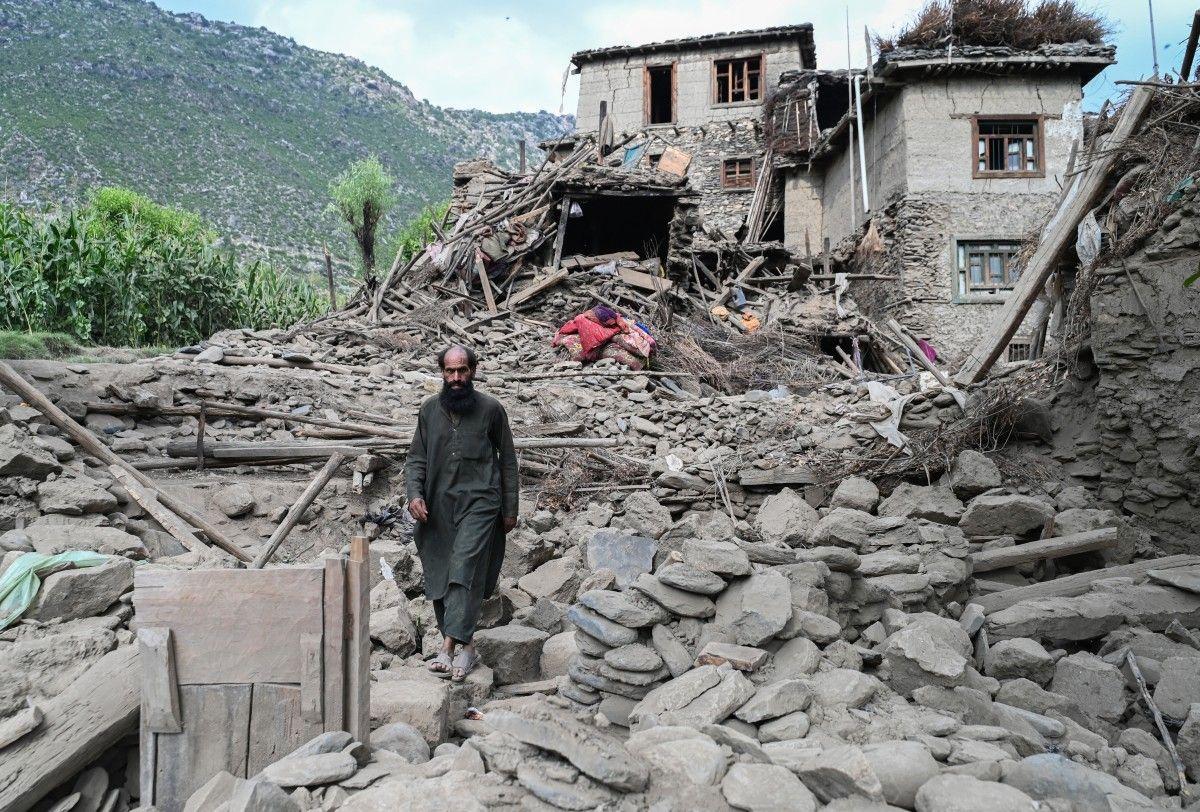
The earthquake struck at approximately 10:33 p.m. local time in a remote, mountainous area of Nagqu, around 400 kilometres from Lhasa, the regional capital. The United States Geological Survey placed the epicentre in a sparsely populated area east-north-east of Nagqu. The region’s high elevation and difficult terrain could complicate rescue and relief operations.
The tremor caused extensive damage to buildings, with reports indicating that hundreds of homes had collapsed or sustained damage. Residents rushed out of their homes and sought shelter outdoors or in parked vehicles amid fears that damaged structures could collapse during aftershocks. Authorities have warned people to stay away from buildings with cracked or leaning walls while inspections continue.
Emergency response teams have been deployed to help affected residents, inspect damaged buildings and deliver relief supplies. More than 300 police officers were sent to the affected area, while local authorities worked to relocate residents to safer locations. Power and communication services were also disrupted in parts of the region, although officials reported that restoration efforts were under way.
The China Earthquake Networks Centre reported hundreds of aftershocks following the main earthquake, raising concerns about the safety of damaged buildings and the risk of further disruption. The earthquake was described by Chinese state media as the strongest to strike the region in five years. Rescue and relief operations remain ongoing as officials continue to assess the full extent of the damage and provide assistance to displaced families. >

Khalil Ibrahim Yaro
Experienced journalist, Editor in Chief and media professional with a strong background in field reporting, investigative journalism, Editorial production, interviewing, research, digital media and newsroom coordination.
More from Khalil Ibrahim Yaro