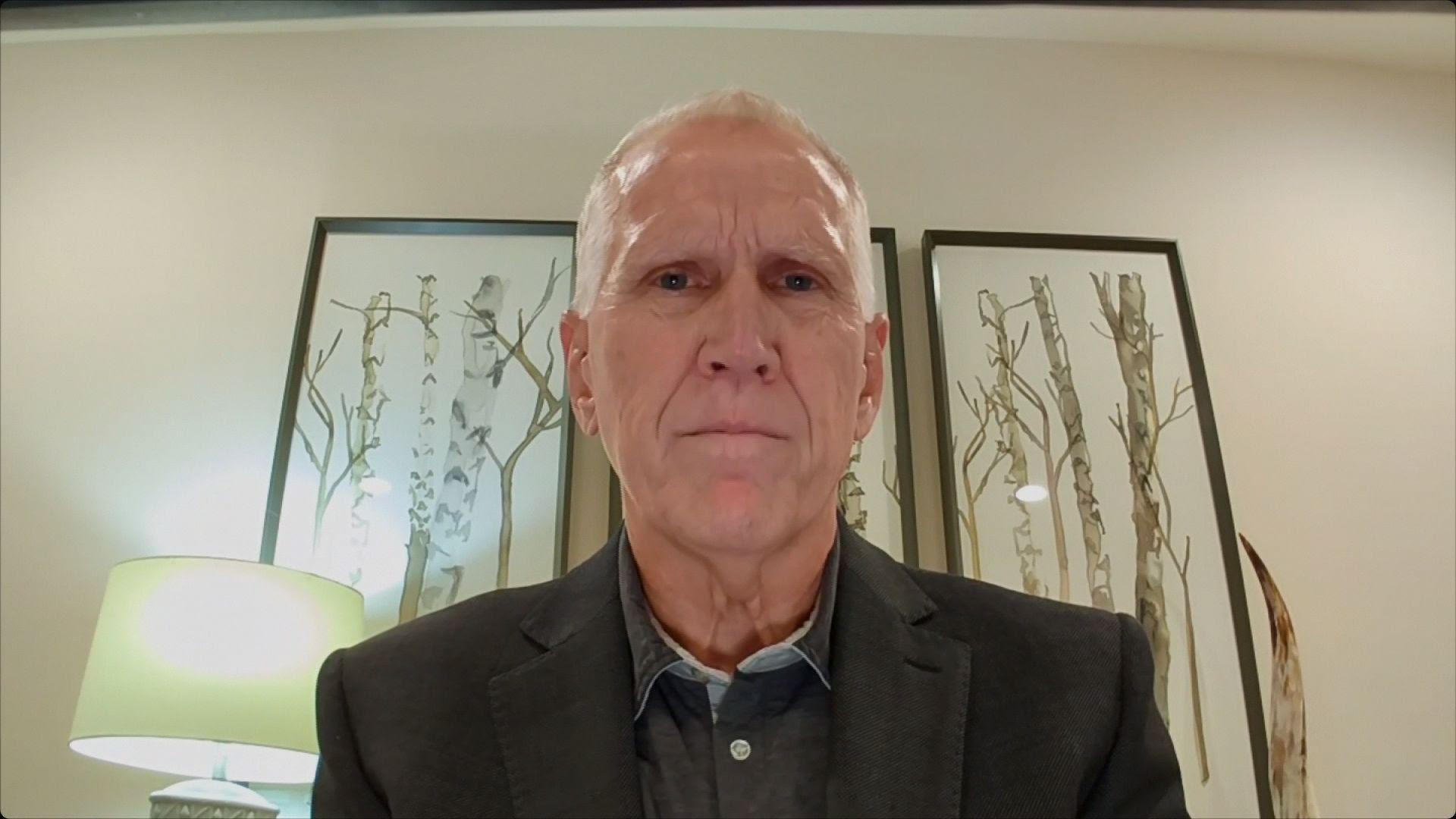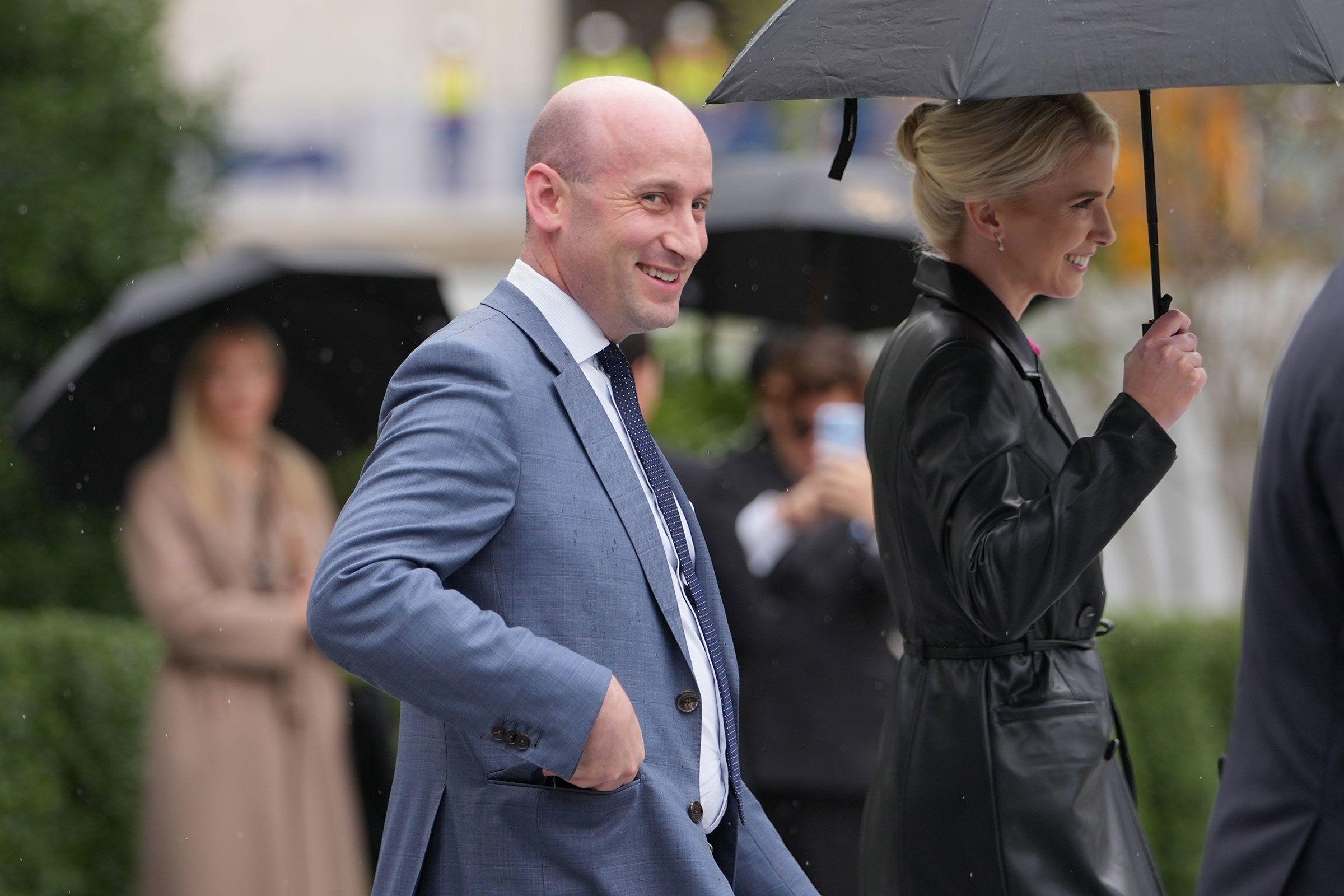
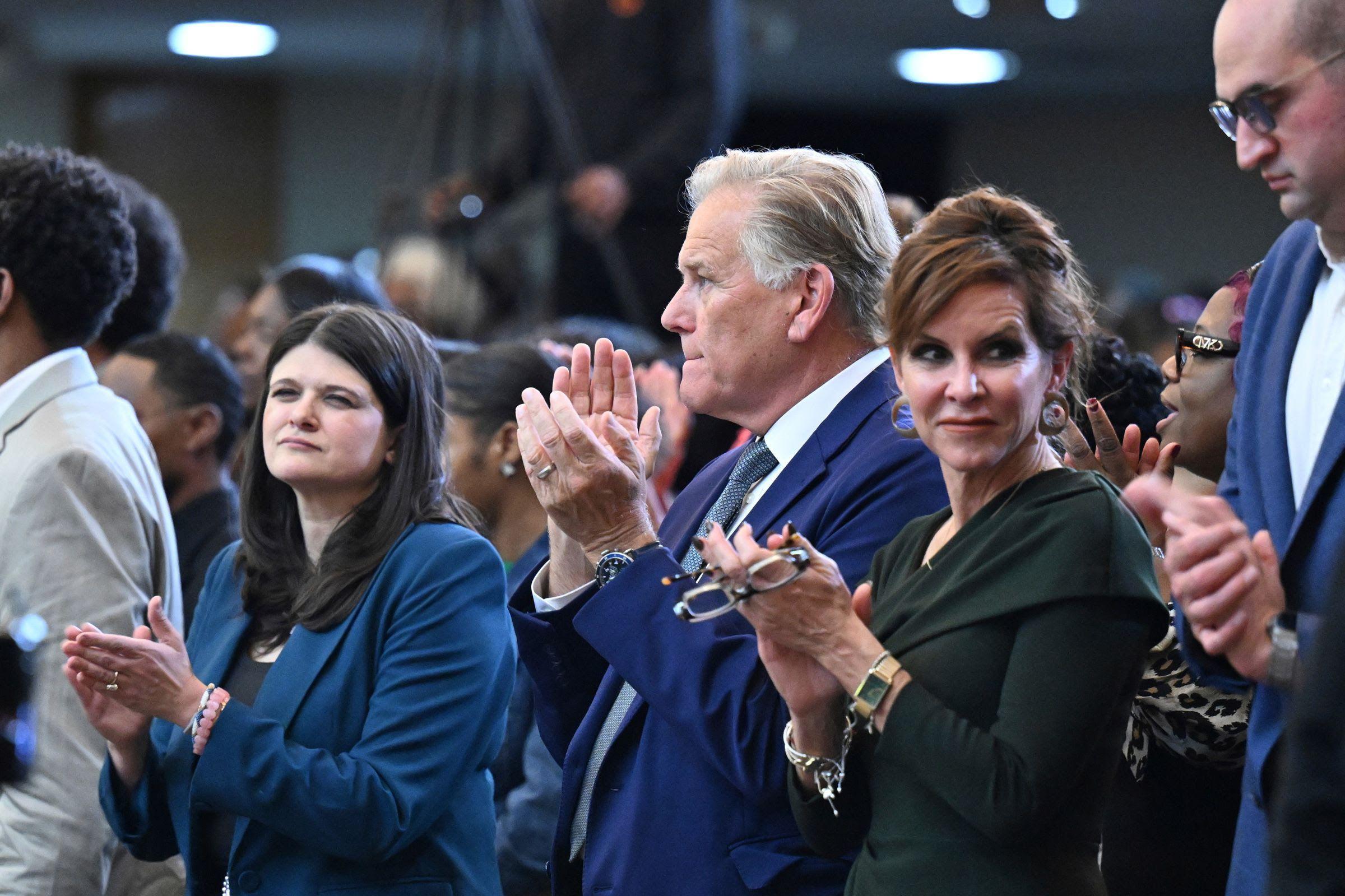
The endorsement reversal, announced on Sunday, 1 November, came after Stevens had previously backed El-Sayed following his victory in the Democratic primary. The move attracted criticism from senior Democrats and former members of her political team, while also drawing attention to the role of her fiancé, Jason Turkish, in the controversy.
According to a CNN report published on 2 November, three people who worked on Stevens’ campaign said Turkish frequently sent her social media comments criticising her appearance, speaking style and political positions. One former senior campaign aide claimed that Turkish would upset Stevens with such messages, leaving campaign staff to calm her down. These accounts are allegations from former colleagues and have not been independently established as fact.
The CNN report also described disagreements between Turkish and members of Stevens’ campaign team over fundraising, campaign strategy and the handling of political issues, including US support for Israel. Some former staff members alleged that he was overly involved in campaign decisions and communications. Turkish did not respond to CNN’s request for comment.
Stevens, however, rejected suggestions that her fiancé influenced or controlled her decision to endorse Rogers. In an interview with conservative commentator Scott Jennings, she described such claims as part of the misogyny faced by women in politics. Turkish also defended their relationship in an interview with The Free Press, disputing suggestions that he was controlling her.
Turkish had publicly stated before Stevens’ endorsement announcement that he intended to vote for Rogers. He described himself as a lifelong Democrat but said he disagreed with his party’s position in this particular contest. The report also noted that he had made political donations to candidates from both major parties during the election cycle.
Stevens’ endorsement reversal prompted criticism from Democratic leaders. Senate Democratic leader Chuck Schumer described the decision as a betrayal, while Michigan Democratic Party chairman Curtis Hertel said Stevens was no longer a member of the state party. Several members of her congressional and campaign staff also left their positions following the announcement.
The dispute developed against the background of a divisive Democratic primary in Michigan, which El-Sayed won against Stevens by less than one percentage point in August. Their disagreements included the Israel-Gaza conflict and a controversial political advertisement linking the war to the cost of living in the United States. El-Sayed said his campaign did not produce the advertisement and that he did not agree with its content.
The controversy has therefore exposed disagreements within the Democratic Party over campaign strategy, support for Israel and the influence of personal relationships in political decision-making. It also placed Stevens’ political future under scrutiny, particularly after she acknowledged that her career in elected office could be coming to an end.
Khalil Ibrahim Yaro
Experienced journalist, Editor in Chief and media professional with a strong background in field reporting, investigative journalism, Editorial production, interviewing, research, digital media and newsroom coordination.
More from Khalil Ibrahim Yaro