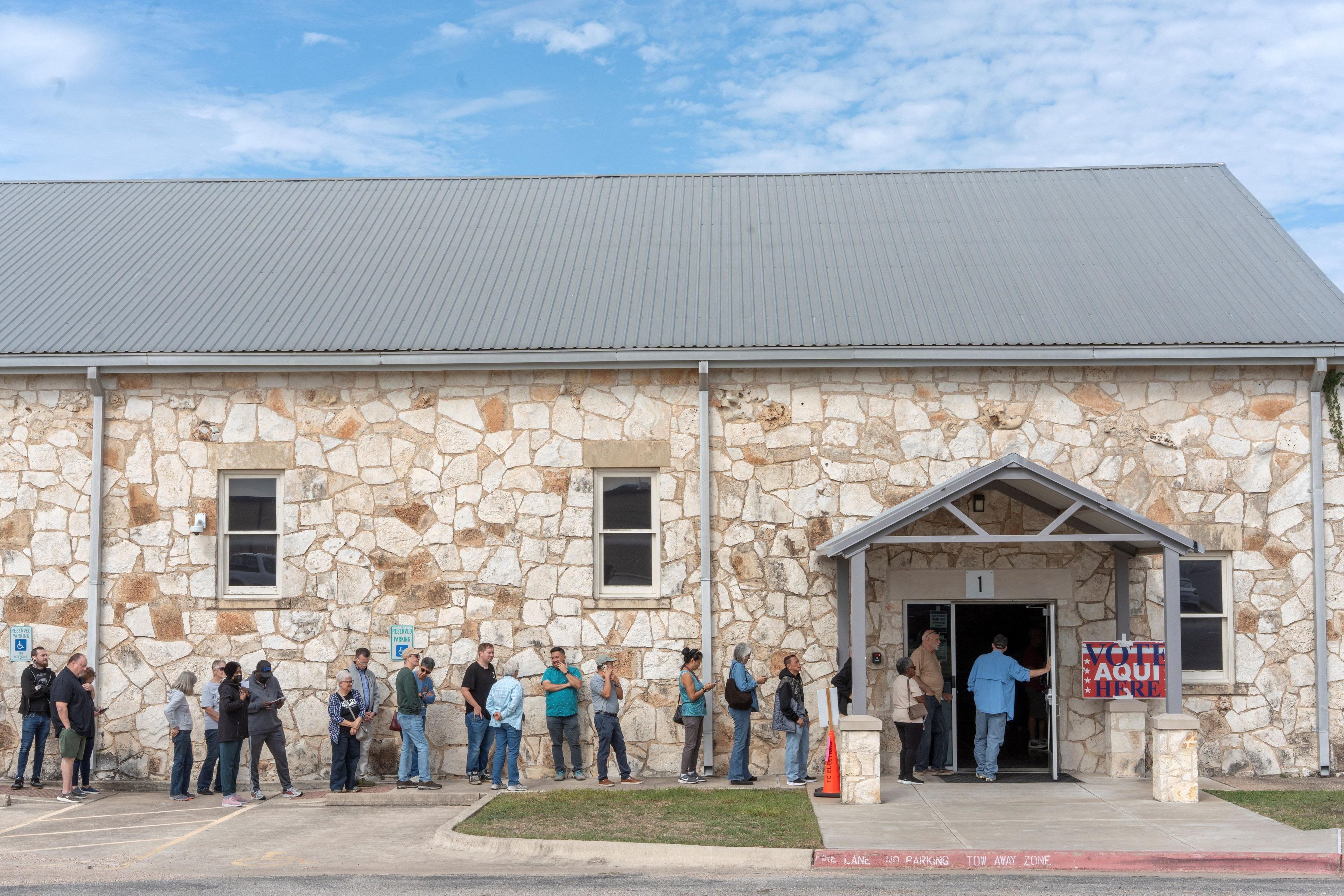
The elections, scheduled for 3 November, will determine control of both chambers of Congress and shape the final two years of President Donald Trump’s current term in the White House.
A recent Washington Post–ABC News–Ipsos poll gave Democrats an eight-percentage-point advantage over Republicans in the congressional preference question, suggesting growing dissatisfaction among voters with the current political direction. However, national polling does not necessarily translate into victories in individual constituencies or states.
Democratic candidates are also mounting competitive campaigns in several traditionally Republican states. In Alaska, former congresswoman Mary Peltola is challenging Republican Senator Dan Sullivan. In Iowa, Democrat Josh Turek is contesting the seat against Republican Ashley Hinson, while Kansas Democrat Adam Hamilton is seeking to unseat Senator Roger Marshall.
Texas has also emerged as a closely watched battleground, where Democrat James Talarico is challenging Republican Ken Paxton. Recent surveys have placed the Texas contest within a relatively narrow margin, although the figures vary between pollsters.
These races have raised Democratic hopes of expanding the party’s influence in the Senate, where Republicans currently hold the majority. Democrats also see an opportunity to win control of the House of Representatives, which could give them greater power to scrutinise the administration and challenge its legislative agenda.
Nevertheless, history suggests that winning both chambers in the same midterm election is difficult. The House and Senate changed hands together in 1994, when Republicans gained control of both, and in 2006, when Democrats did the same. The outcome this November will depend on local races, campaign spending, voter concerns and turnout on election day.
Economic pressures, including the cost of living and high fuel prices, have become important issues for voters. The administration’s policies and the continuing conflict involving Iran have also featured in political debate, with candidates offering competing explanations for the country’s economic challenges.
Concerns have also emerged about whether President Trump would accept an unfavourable election result. A Washington Post–ABC News–Ipsos survey published on 20 October found that seven in ten Americans doubted he would accept the outcome if Republicans lost. Trump has repeatedly made allegations of electoral fraud in the past, although claims of widespread fraud require evidence and verification.
As campaigning enters its final weeks, Democrats are hoping that voter dissatisfaction will translate into electoral gains. Republicans, meanwhile, are working to protect their majorities.
The final outcome remains uncertain, and the level of any so-called blue wave will depend on how Americans vote on 3 November.

Khalil Ibrahim Yaro
Experienced journalist, Editor in Chief and media professional with a strong background in field reporting, investigative journalism, Editorial production, interviewing, research, digital media and newsroom coordination.
More from Khalil Ibrahim Yaro