
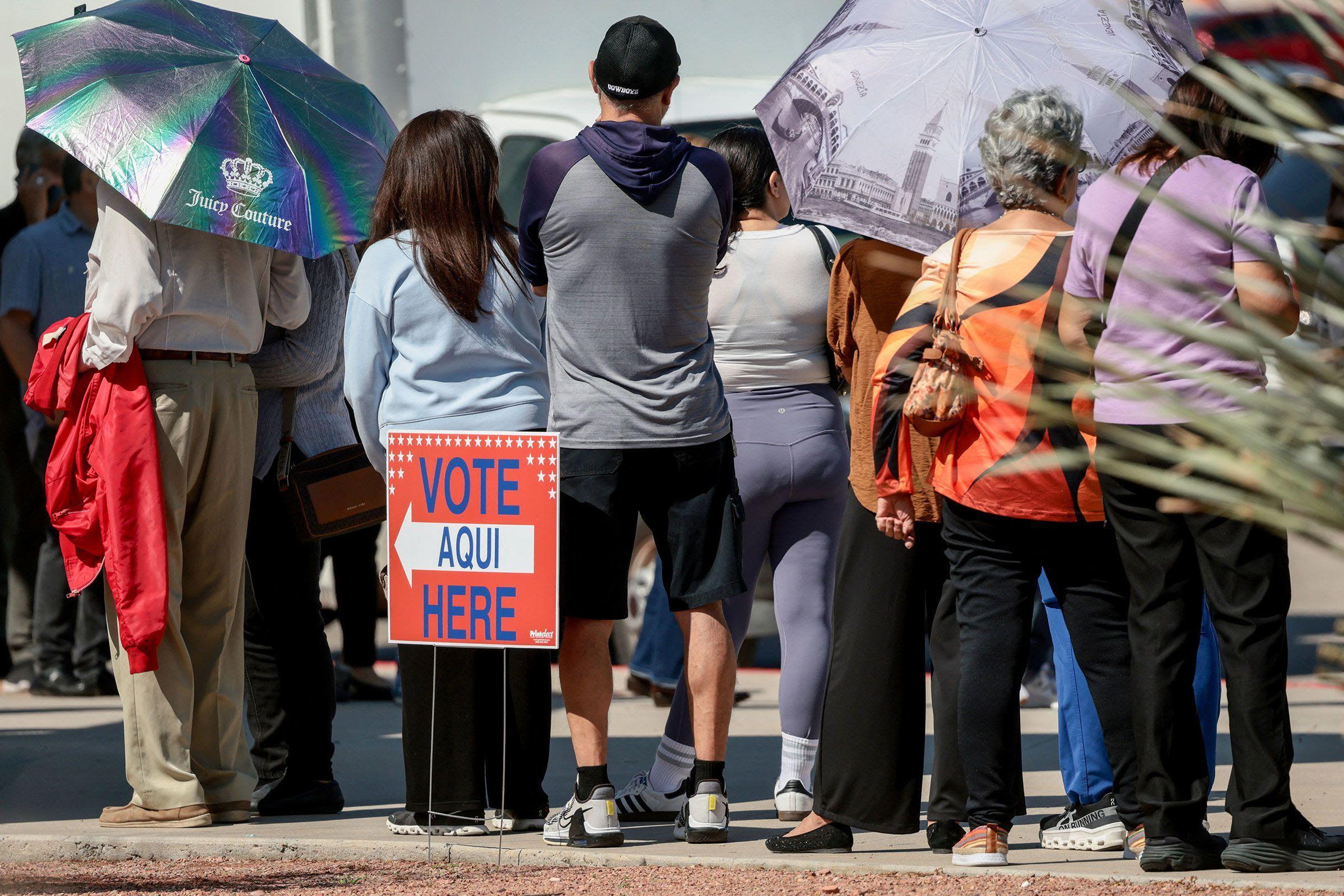
However, the possibility of a Democratic wave remains uncertain. Polls can indicate voter preferences at a particular moment, but they do not guarantee election results, particularly in individual districts where turnout, candidate quality and local issues can strongly influence the outcome.
Democratic confidence has been fuelled by national polling that shows the party ahead of Republicans in the general congressional ballot. A polling average published in October placed Democrats roughly eight to nine percentage points ahead, although national figures do not directly predict how individual House and Senate races will turn out.
The party is also expanding its campaign efforts into traditionally Republican territory. In Mississippi, Democrats have begun investing in the Senate race between prosecutor Scott Colom and Republican Senator Cindy Hyde-Smith. Democratic groups are also targeting competitive districts in states including Kansas, Oklahoma and Texas, seeking to turn national dissatisfaction with the administration into local electoral gains.
Several factors appear to be contributing to the changing political environment. Economic concerns, particularly the cost of groceries, fuel and housing, are weighing on voters, while immigration enforcement and the administration’s approach to international affairs have also become prominent campaign issues. Reuters reported on 20 October that affordability and President Donald Trump’s approval ratings were important influences on the contest.
However, there are reasons for Democrats to remain cautious. A national lead does not guarantee victories in states where Republican candidates retain strong local support. The Senate map also presents a different challenge from the House, with Democrats needing to gain seats in several competitive states to take control. Republican fundraising and the party’s ability to mobilise its supporters could further affect the results.
Polling errors are another concern. Surveys can miss changes in turnout, underestimate particular groups of voters or fail to capture late shifts in opinion. Democrats have experienced disappointment in previous elections when encouraging polls did not translate into the expected results. Campaign enthusiasm must therefore be matched by voter registration, effective local organisation and turnout on Election Day.
The 3 November midterms will determine control of the House of Representatives and the Senate, shaping the remainder of Trump’s presidency. A substantial Democratic gain could increase congressional scrutiny of the administration and complicate its legislative agenda, while Republicans retaining control would allow them to continue advancing their priorities. For now, Democrats have reasons to be optimistic, but whether the current polling translates into a broad electoral wave will only become clear when votes are counted.

Khalil Ibrahim Yaro
Experienced journalist, Editor in Chief and media professional with a strong background in field reporting, investigative journalism, Editorial production, interviewing, research, digital media and newsroom coordination.
More from Khalil Ibrahim Yaro