
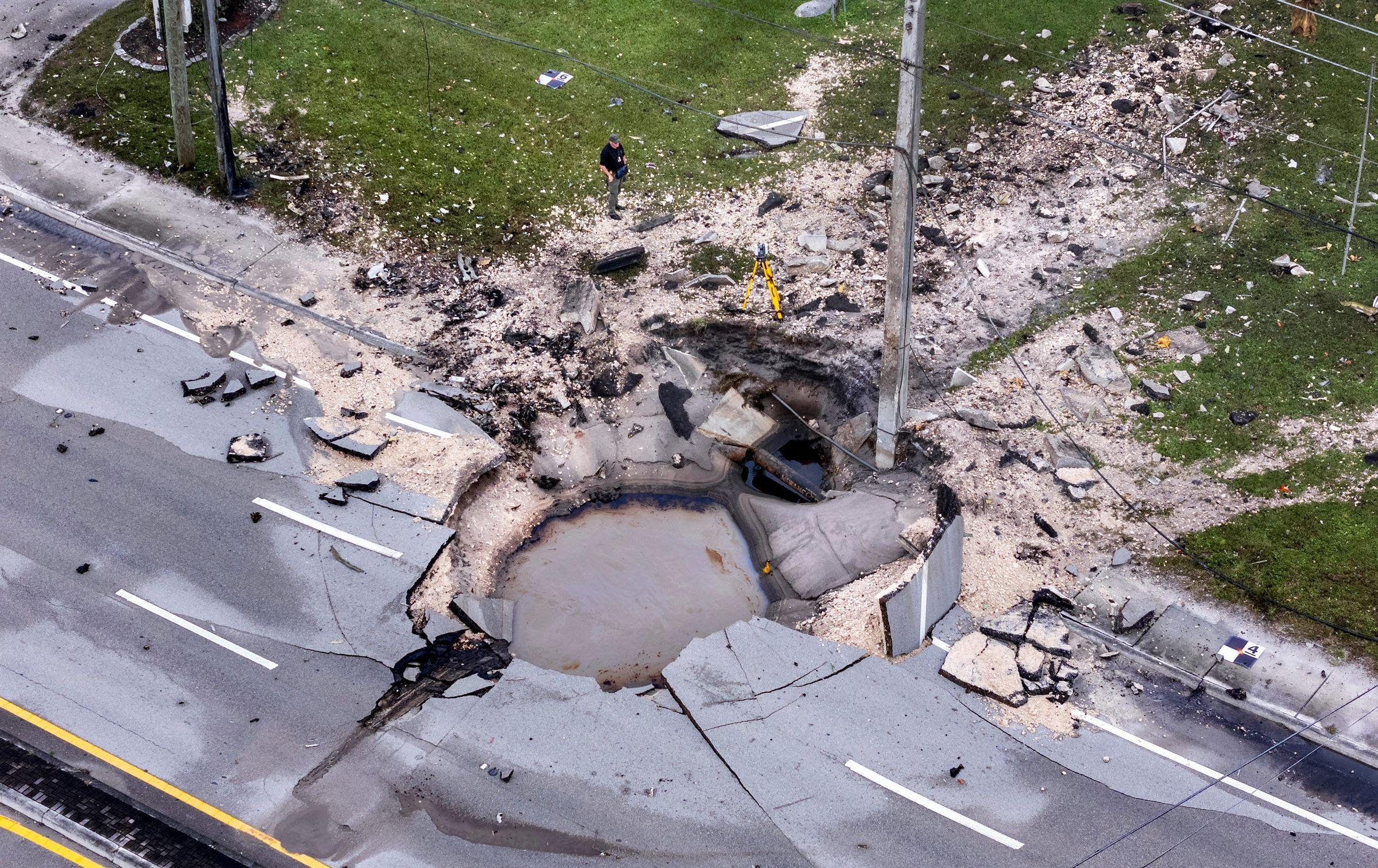
The Learjet 60, operated by Upper Jet, departed Austin-Bergstrom International Airport on Sunday, 1 November, bound for North Eleuthera in the Bahamas. It was flying over Palm Beach County, Florida, when the crew began reporting problems to air traffic controllers.
According to recordings of communications with the Miami Air Route Traffic Control Centre, the pilot initially reported that ice was accumulating on the aircraft but described the situation as manageable. The crew also reported moderate turbulence, with the aircraft being jolted vertically by as much as 700 feet.
The situation deteriorated rapidly. The crew reported precipitation and requested permission to climb from approximately 35,000 feet to 37,000 feet. Less than 30 seconds later, the pilot declared an emergency, repeatedly calling “Mayday” as the aircraft began losing altitude at an extraordinary rate.
During the final radio communications, the pilot reported a descent of about 10,000 feet per minute, which later increased to approximately 20,000 feet per minute. The crew also reported an overspeed condition and warned air traffic controllers that the aircraft was about to hit the ground. Flight-tracking information showed that the jet lost more than 27,000 feet in roughly one minute before its tracking signal disappeared.
The aircraft crashed near Military Trail in Greenacres, within Palm Beach County, shortly before 1pm local time. The impact created a large crater and caused a fire, while debris was scattered across nearby properties and roads. Authorities confirmed that all nine people aboard were killed. One person on the ground sustained a leg injury.
Investigators are now examining whether severe weather, ice accumulation, turbulence, mechanical problems or a combination of factors contributed to the disaster. The NTSB has also confirmed that parts of the aircraft's tail were discovered away from the main crash site. On Tuesday, investigators said pieces of the left elevator, which helps control the aircraft's pitch, had been found between approximately 1.3 and 3.8 miles from the impact area.
The discovery indicates that at least part of the aircraft separated before it hit the ground. However, investigators have not established whether the loss of the component contributed to the aircraft losing control or whether it separated because of forces acting on the jet during its rapid descent. Officials have cautioned against drawing conclusions while the investigation remains at an early stage.
The investigation will also examine the aircraft's maintenance records, flight data, communications with air traffic control, weather information available to the pilots and video footage from the surrounding area. Investigators are searching for the aircraft's flight recorders and other critical evidence that could help reconstruct the final moments of the flight.
The NTSB expects to publish a preliminary report in about a month, outlining the factual findings available at that stage. However, determining the probable cause could take a year or longer. The agency has stressed that its investigation is intended to establish what happened and why, rather than speculate about responsibility before the evidence has been examined.

Khalil Ibrahim Yaro
Experienced journalist, Editor in Chief and media professional with a strong background in field reporting, investigative journalism, Editorial production, interviewing, research, digital media and newsroom coordination.
More from Khalil Ibrahim Yaro