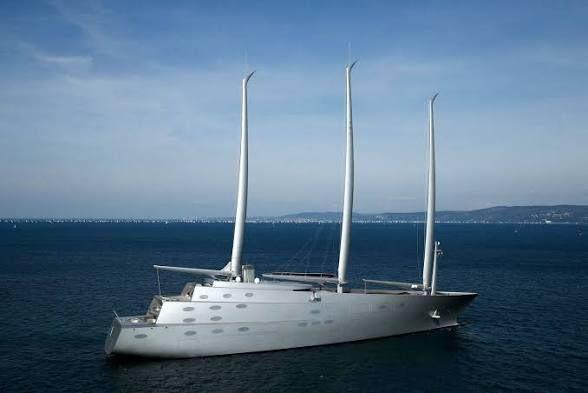
The most prominent vessel is the 468-foot Sailing Yacht A, valued at approximately 600 million dollars and linked to Russian billionaire businessman Andrey Melnichenko. Designed by French architect Philippe Starck, the enormous sailing yacht was undergoing maintenance in Trieste in March 2022 when Italian authorities froze it under sanctions imposed against Russian interests following the invasion of Ukraine.
Trieste Mayor Roberto Dipiazza has expressed frustration over the financial burden of keeping the yacht operational. Speaking to CNN, he estimated that its maintenance costs approximately 30,000 dollars every day, amounting to nearly 11 million dollars annually. The expenses reportedly cover a 20-member crew, fuel for generators, specialist cleaning, security and insurance.
Under Italian law, vessels placed under state seizure or judicial restrictions must be properly maintained to prevent deterioration or sinking. This means authorities cannot simply abandon the yachts while their legal status remains unresolved. According to the mayor, the arrangement could leave Italian taxpayers paying substantial maintenance bills for years, although the costs may eventually be recovered from the owners if the restrictions are lifted.
Melnichenko previously challenged the seizure, arguing that he was not the yacht’s direct legal owner because it was held through a company and a trust established by his wife. However, the European Union’s Court of Justice ruled in 2025 that Italy could maintain the restrictions on the vessel, leaving it under the country’s management and preservation obligations.
The Sailing Yacht A is not the only Russian-linked luxury vessel costing Italian authorities money. Another superyacht, Scheherazade, is docked in Marina di Carrara in Tuscany. CNN reported that taxpayers in the region had spent more than 15 million dollars on its crew and maintenance since it was placed under restrictions. The yacht has also attracted international attention because of allegations linking it to Russian President Vladimir Putin, although its reported registered ownership is associated with businessman Eduard Khudainatov.
Other vessels include Lady M, linked to Russian businessman Alexei Mordashov, and Lena, linked to Gennady Timchenko. Their upkeep involves crew payments, security, electricity, maintenance and other operational expenses. Italy is therefore facing a wider financial challenge involving several luxury vessels rather than a single yacht in Trieste.
The issue has also raised questions about how European governments should manage frozen assets belonging to individuals targeted by sanctions. While the restrictions are intended to limit the financial interests of people linked to Russia’s war against Ukraine, the continuing costs of maintaining the vessels have created an additional burden for public authorities. Some countries have pursued the sale of certain yachts after obtaining the necessary legal authority, while others continue to maintain them under existing laws.
For Mayor Dipiazza and other critics, the central concern is how long ordinary taxpayers should continue financing the preservation of extremely expensive private property. Italian authorities maintain that the vessels must be protected under the law, while the legal and financial questions surrounding their ownership and eventual disposal remain complicated. The debate continues as the yachts remain in Italian ports and the costs of maintaining them accumulate.