Methane is one of the most powerful greenhouse gases contributing to global warming, accounting for approximately 30 per cent of the increase in global temperatures since the pre-industrial era. Although it remains in the atmosphere for a much shorter period than carbon dioxide, methane has a significantly stronger heat-trapping effect over a 20-year period, making its reduction a major priority in efforts to tackle climate change.
Scientists say methane can trap approximately 80 times more heat than carbon dioxide over 20 years. This means that reducing methane emissions could deliver significant climate benefits within a relatively short period, particularly because methane breaks down much faster in the atmosphere than carbon dioxide.
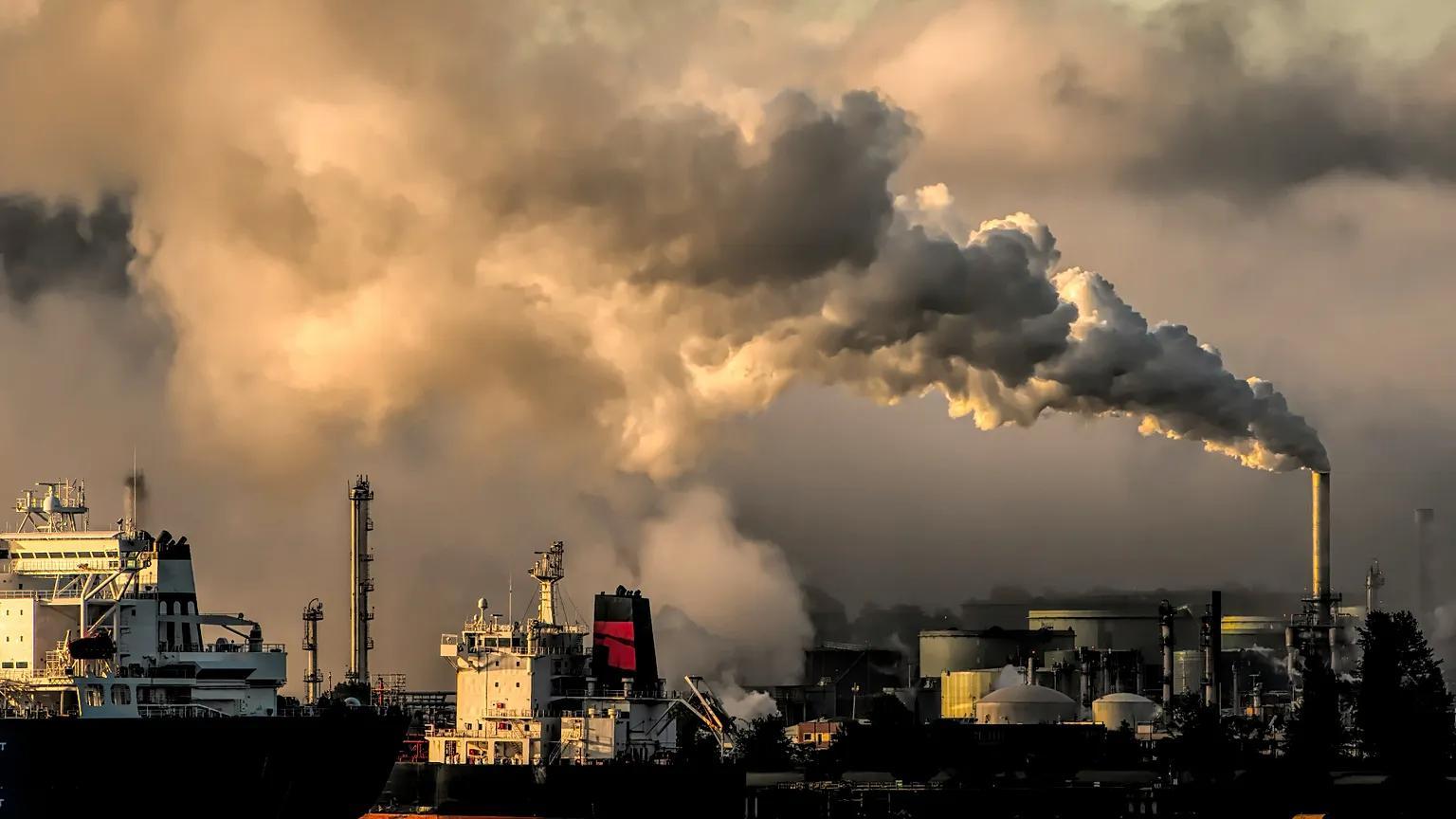
Major sources of methane emissions include oil and gas production, coal mining, livestock farming, rice cultivation and waste disposal sites. The gas enters the atmosphere through leaking pipelines and industrial equipment, as well as natural and agricultural processes associated with these activities.
Despite growing international commitments to reduce greenhouse gas emissions, methane levels in the atmosphere continue to rise. This has raised concerns among climate experts about whether governments and industries are taking sufficient action to address the problem.
Environmental experts are calling for stronger monitoring systems, stricter regulations and increased investment in technologies that can detect and repair methane leaks from oil and gas infrastructure. They are also advocating improved agricultural practices, better livestock management and more effective waste treatment to reduce emissions from other major sources.
Although several countries and companies have announced plans to reduce methane pollution, environmental campaigners argue that implementation remains inadequate and progress is too slow to meet global climate targets. They are urging governments to translate their commitments into practical measures that can deliver measurable reductions.
Experts warn that failure to control methane emissions could accelerate global warming and intensify extreme weather events, including heatwaves, droughts and flooding. They also caution that continued increases in greenhouse gas emissions could make it more difficult to limit long-term temperature rises.
In conclusion, reducing methane emissions is considered an important part of the global response to climate change. Achieving meaningful progress will require cooperation between governments, industries, farmers and communities, alongside stronger policies, effective monitoring and sustained investment in emission-reduction measures.