Health experts say the increase has come weeks ahead of the usual seasonal pattern, prompting renewed calls for people to get vaccinated against the flu. According to the US Centres for Disease Control and Prevention (CDC), influenza activity is increasing across the country, although overall levels remain relatively low.
The West Coast has recorded some of the highest levels of activity, with Washington, California and other Pacific states reporting increases in positive flu tests. In Washington State, roughly one in ten people tested for influenza during the week covered by the latest reports tested positive. The early rise is unusual because flu activity in the United States typically increases towards the end of the year, with cases often peaking during the winter months.
Scientists say the predominant strain circulating in the country is H1N1, the influenza A virus responsible for the 2009 swine flu pandemic. Researchers have identified a mutation known as G155E, which may help the virus evade some existing immune protection. Experts are particularly concerned that younger people who have had limited previous exposure to this version of the virus may have less protection against it. However, researchers caution that it is still too early to determine whether the mutation will lead to a more severe flu season overall.
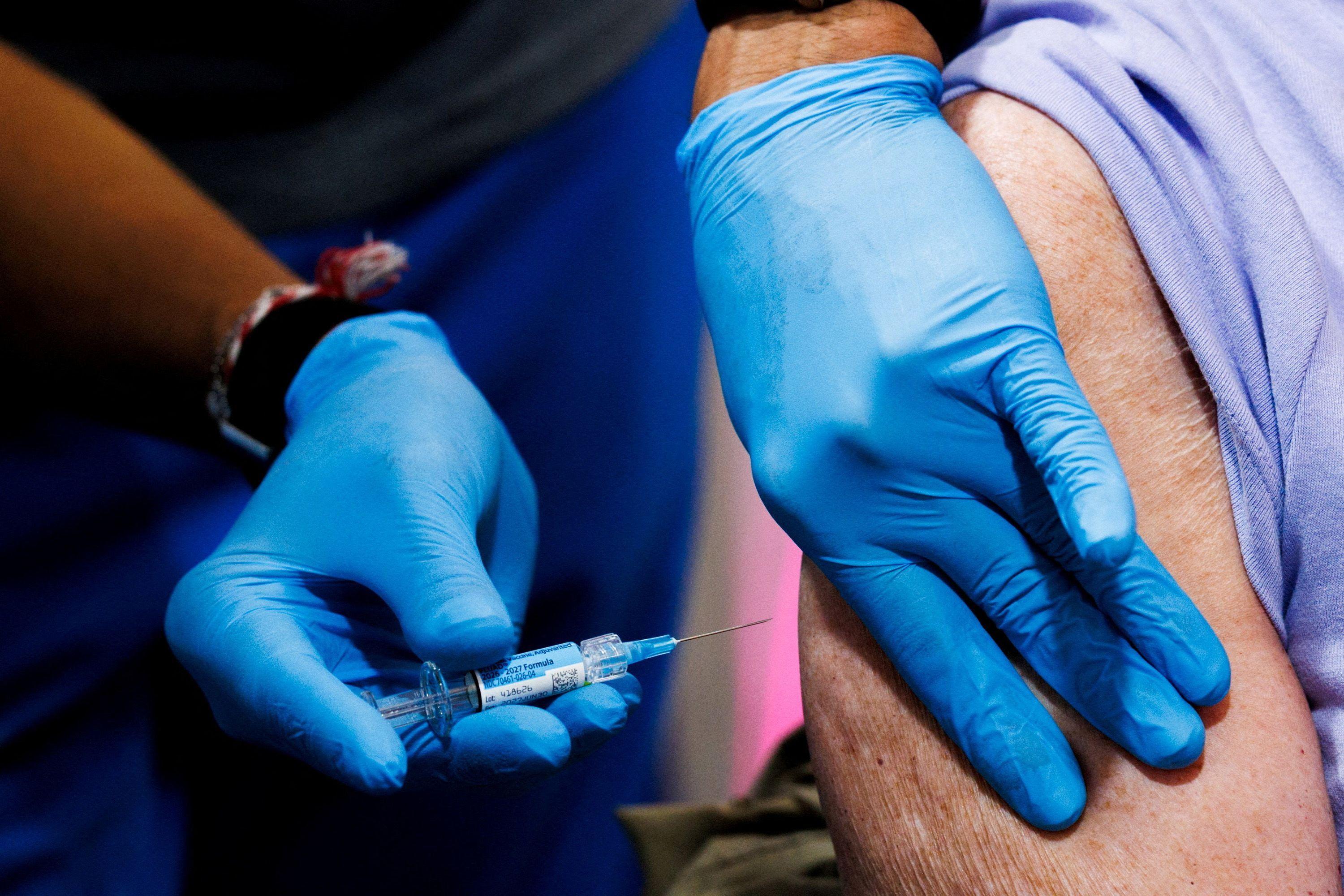
The mutation emerged after the strains for the 2026–2027 seasonal flu vaccines had already been selected. Nevertheless, health experts say the current vaccines are still expected to provide protection against severe illness, even if they do not completely prevent infection. Doctors are therefore urging eligible people to get vaccinated promptly rather than delay until the usual peak of the flu season. The CDC recommends annual influenza vaccination for everyone aged six months and older, subject to individual medical circumstances.
Health specialists are also monitoring whether the early wave will be followed by another increase in cases later in the winter. They say the timing and severity of the season remain uncertain, and the mutation alone does not establish that the virus is more dangerous. Meanwhile, public health officials are continuing to track infections and encourage vaccination, particularly among people at higher risk of complications, including young children, older adults and people with certain underlying health conditions.

Khalil Ibrahim Yaro
Experienced journalist, Editor in Chief and media professional with a strong background in field reporting, investigative journalism, Editorial production, interviewing, research, digital media and newsroom coordination.
More from Khalil Ibrahim Yaro