The agency has also identified 53 people who may have been exposed to the confirmed patient and is monitoring them as part of efforts to prevent further transmission.
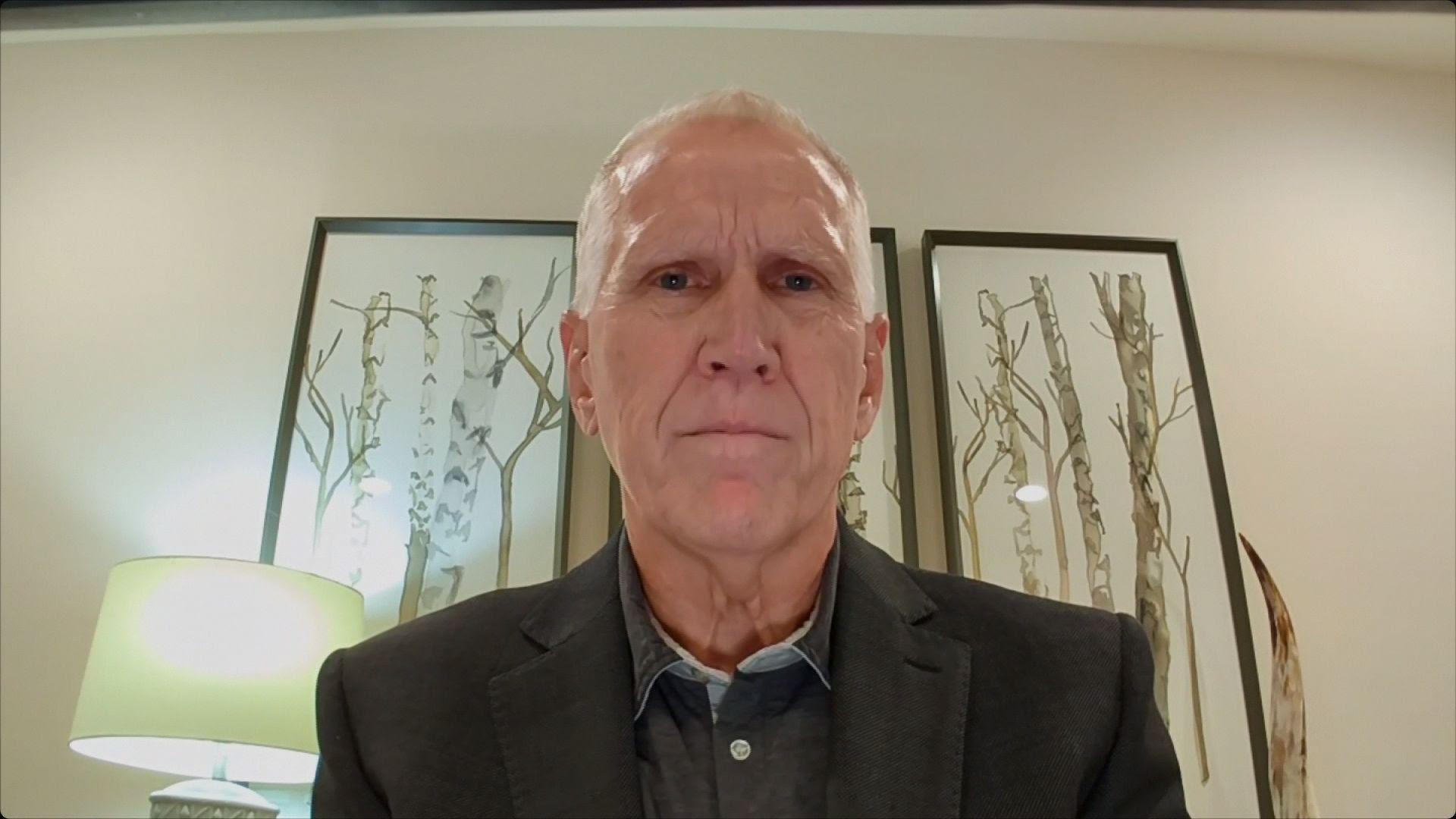
The Director-General of the NCDC, Dr Jide Idris, disclosed this during a press briefing in Abuja on Sunday, 25 October 2026.
Dr Idris explained that the two cases included a confirmed infection involving a 42-year-old woman in the Federal Capital Territory and another suspected case in Rivers State, which tested negative. He clarified that Nigeria had one confirmed case at the time of the briefing, rather than two newly confirmed infections.
According to the NCDC, the confirmed patient returned to Nigeria from Uganda through Addis Ababa on 3 October. She developed symptoms, including fever, diarrhoea, body aches and a sore throat, on 7 October. Laboratory tests confirmed the infection on 20 October.
The agency said the 53 identified contacts included 44 people associated with the health facility where the patient received treatment, alongside nine additional contacts. These included household members, her driver and cook, healthcare workers who attended to her at an earlier facility, and personnel involved in collecting samples.
Dr Idris said public health teams were tracing and monitoring the contacts, while investigations continued to identify anyone else who might have been exposed. Contacts are expected to be monitored for 21 days after their last possible exposure, in line with the established follow-up period for Ebola.
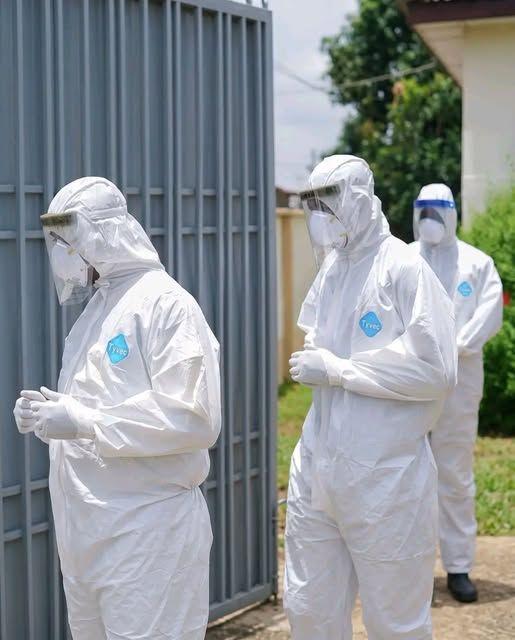
The NCDC urged public and private healthcare facilities to strengthen screening, promptly isolate suspected cases and ensure healthcare workers have appropriate personal protective equipment. It stressed that medical personnel should take infection-prevention precautions immediately when Ebola is suspected, without waiting for laboratory confirmation.
The agency also called on people contacted by public health officials to cooperate with tracing teams, provide accurate information about their movements and report any symptoms promptly.
The NCDC said it would continue surveillance, laboratory testing and contact tracing as investigations progressed. It also advised Nigerians to rely on verified information from authorised health agencies and avoid spreading unconfirmed reports.
The agency emphasised that being identified as a contact does not mean a person has Ebola. Monitoring is a precaution designed to detect possible infections early and prevent further transmission.
Nigeria’s immediate priority remains containing the confirmed infection, protecting healthcare workers and communities, and ensuring that any additional suspected cases are identified and investigated quickly.

Khalil Ibrahim Yaro
Experienced journalist, Editor in Chief and media professional with a strong background in field reporting, investigative journalism, Editorial production, interviewing, research, digital media and newsroom coordination.
More from Khalil Ibrahim Yaro