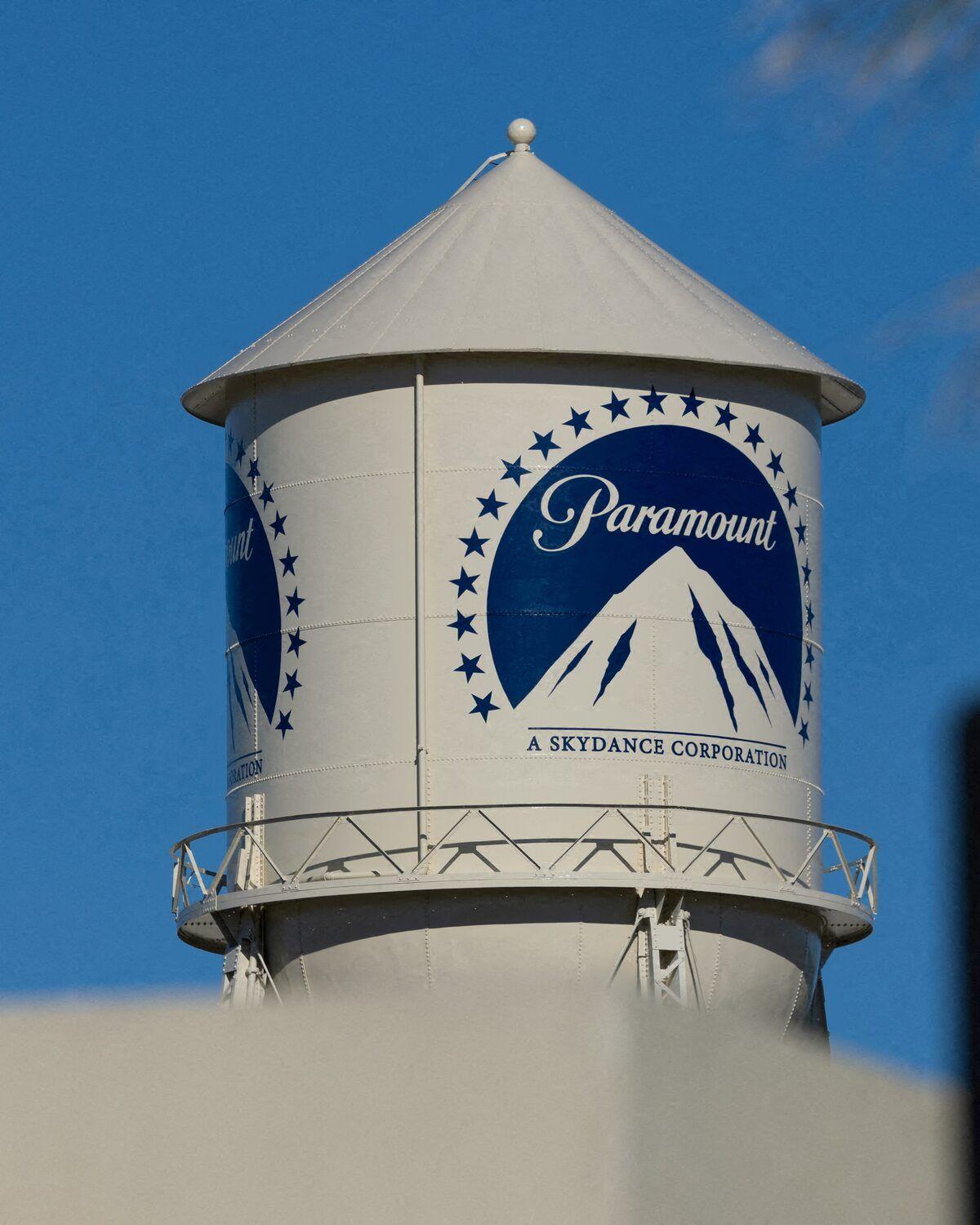
The negotiations could clear a major legal obstacle to the proposed merger, which is valued at about $110 billion. However, a final agreement has not yet been reached, and some state attorneys general are pushing for tougher conditions before they agree to settle the case.
California Attorney General Rob Bonta is among the officials involved in the discussions. California and 11 other states filed a lawsuit seeking to block the merger, arguing that combining the two major media companies could reduce competition and potentially affect consumers and the wider entertainment industry.
Reuters reports that Paramount has discussed several possible concessions as part of the negotiations. These reportedly include a proposed $1.5 billion investment in film and television production in California, as well as a commitment to maintain studio facilities in the state.
Other proposals under discussion reportedly include safeguards relating to CNN's editorial independence, possible sales of some cable assets and commitments concerning the number of films Paramount would produce each year.
However, some state attorneys general are seeking stronger measures. California has previously indicated that it wants structural remedies, which could involve keeping certain assets under separate ownership rather than relying only on promises about how the combined company would operate.
The negotiations are taking place under significant time pressure. Paramount faces a contractual payment, known as a “ticking fee”, of about $7 million per day if the transaction remains unresolved beyond the September 30 deadline.
The proposed merger has already received approval from the U.S. Justice Department and the Federal Communications Commission has approved aspects concerning foreign investment. However, the state antitrust lawsuit remains an obstacle to completing the transaction.
The states' lawsuit is being pursued by a coalition of 12 attorneys general, led by California. The Writers Guild of America has also opposed the transaction, raising concerns about competition and its potential impact on workers in the entertainment industry.
For now, the discussions indicate progress towards a possible settlement, but they do not mean that the merger has been cleared.
Any agreement would depend on the final terms accepted by the participating states and would still need to resolve the outstanding legal issues surrounding the proposed acquisition.