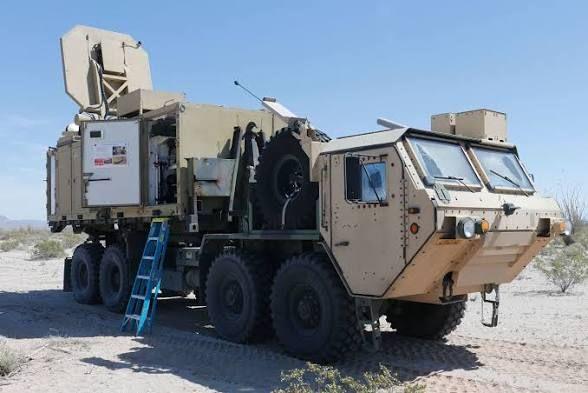
The weapon, known as the Active Denial System, uses an invisible beam of millimetre-wave electromagnetic energy to heat the surface of human skin, producing an intense burning sensation. Pentagon officials have compared the experience to the sudden blast of heat felt when opening a hot oven. The system is designed to make people move away from a targeted area without relying on conventional physical force.
According to CNN, Defence Secretary Pete Hegseth signed a memorandum last month authorising the temporary loan of one system to the Department of Homeland Security for seven months, beginning in September. The authorisation allows the department to test the technology and develop procedures for potential use in border operations. However, the memorandum does not establish that the weapon will be deployed against migrants or used in routine enforcement activities.
The system can reportedly direct its energy beam at targets from more than half a mile away. Military officials say the intense heating sensation generally prompts people to leave the beam’s path, with the discomfort expected to subside after exposure ends. The United States military has previously tested the technology, including demonstrations involving volunteers, but has not adopted it for routine combat operations.
The potential use of the weapon at the US-Mexico border raises questions about safety, oversight and the treatment of people encountered during immigration enforcement. Although the Pentagon classifies the system as non-lethal, that description does not mean it is incapable of causing injury under all circumstances. The US Government Accountability Office has explained that directed-energy weapons can produce physical effects, making appropriate safeguards and operating procedures important.
The proposal comes as President Donald Trump’s administration continues to prioritise border security and stricter immigration enforcement. Customs and Border Protection said it continually evaluates new technologies intended to improve operational effectiveness and strengthen border capabilities. CNN reported that the request did not specify where or how the system would be tested, or the precise circumstances in which it might eventually be used.
The Pentagon has referred questions about the proposed testing to the Department of Homeland Security. Under the memorandum described by CNN, DHS would be responsible for the system’s use and for developing operational tactics. At the end of the seven-month loan period, the department may request additional use of the equipment if it determines that the capability is needed.
The authorisation marks a new development in the use of military technology for domestic border enforcement. However, testing the Active Denial System is not the same as approving its routine deployment. Its eventual use will depend on further decisions by federal authorities, while questions about safety, accountability and the circumstances in which the weapon could be used remain central to the debate.