According to reports from people familiar with discussions inside the administration, some White House officials and political allies are concerned about the possibility of Republicans losing control of one or both chambers of Congress. The reported concerns have fuelled internal disagreements, with some allies reportedly blaming campaign decisions and political messaging for the party’s difficulties. There are also concerns that substantial electoral losses could trigger a shake-up among senior administration officials. However, these remain reported expectations rather than confirmed decisions by the president.
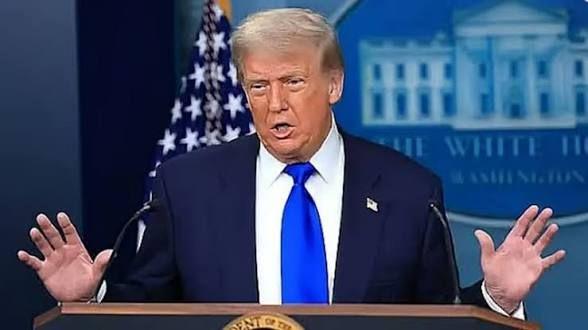
On the campaign trail, Trump has continued to focus on immigration, national identity and cultural issues, presenting the election as a contest over the future direction of American society. At a rally in Kansas on 19 October, he warned about the consequences of a Democratic victory and used rhetoric concerning immigration and national identity. His approach reflects themes that have featured prominently throughout his political career, although critics argue that some of his statements deepen social divisions and target minority communities.
The president’s campaign messaging has also drawn attention because of the continuing debate over race, religion and national identity in American politics. Trump and his supporters argue that stronger immigration controls and the protection of traditional values are important to national security and cultural stability. Critics, however, say that racially charged language and remarks about Muslims risk encouraging prejudice and diverting attention from economic concerns. These competing interpretations have become part of the wider political debate as voters prepare to make their decisions.
Meanwhile, the cost of living remains a significant concern for American households. Higher expenses for groceries, petrol, housing and other essential goods have placed pressure on family budgets, making the economy a central issue in the midterm campaign. Although the administration has promoted its economic policies, voters continue to assess whether those measures are improving their daily lives. The challenge for Republicans is to convince the electorate that their approach will provide practical economic relief while maintaining support for the president’s wider political agenda.
Trump has also sought to address economic pressure on farmers and rural communities. During his Kansas campaign visit, an $8 billion support package for farmers was announced amid concerns over rising production costs, fuel prices, tariffs and pressure on agricultural earnings. The package is intended to provide assistance to farmers facing financial difficulties, but its political impact remains uncertain. Whether such measures can reassure voters will depend partly on how effectively the support reaches those experiencing the greatest pressure.
The midterm elections will determine control of the House of Representatives and the Senate, both of which play important roles in approving legislation, overseeing federal spending and scrutinising the executive branch. If Republicans lose either chamber, Trump could face greater resistance to his legislative priorities and increased congressional investigations. Conversely, retaining control would give the administration a stronger position in pursuing its agenda during the remainder of the president’s term.
As the campaign enters its final stage, the outcome remains uncertain. The election will provide an important indication of how voters view Trump’s economic record, immigration policies, cultural messaging and overall leadership. For Republicans, the central challenge is to maintain voter support while responding to concerns about affordability and political divisions. For Democrats, the contest presents an opportunity to challenge the administration and influence the direction of national policy. The results on 3 November will determine the balance of power in Congress and help shape the political landscape for the remainder of Trump’s presidency.