With Election Day scheduled for 3 November, Republicans are working to defend their congressional majorities, while Democrats are seeking to gain seats and increase their influence in Washington.
Michigan became a major focus over the weekend as Trump campaigned for Republican candidates and renewed his attacks on Democratic Senate nominee Abdul El-Sayed, who is challenging Republican Mike Rogers for an open Senate seat.
Rogers, a former congressman, is seeking to win the seat being vacated by Democratic Senator Gary Peters. The contest is among the closely watched Senate races that could help determine which party controls the chamber.
Trump has repeatedly criticised El-Sayed as Republicans attempt to weaken his support. The Democratic candidate, a former public health official, has argued that Rogers would support Trump’s agenda in the Senate, while Rogers has questioned El-Sayed’s political positions and trustworthiness.
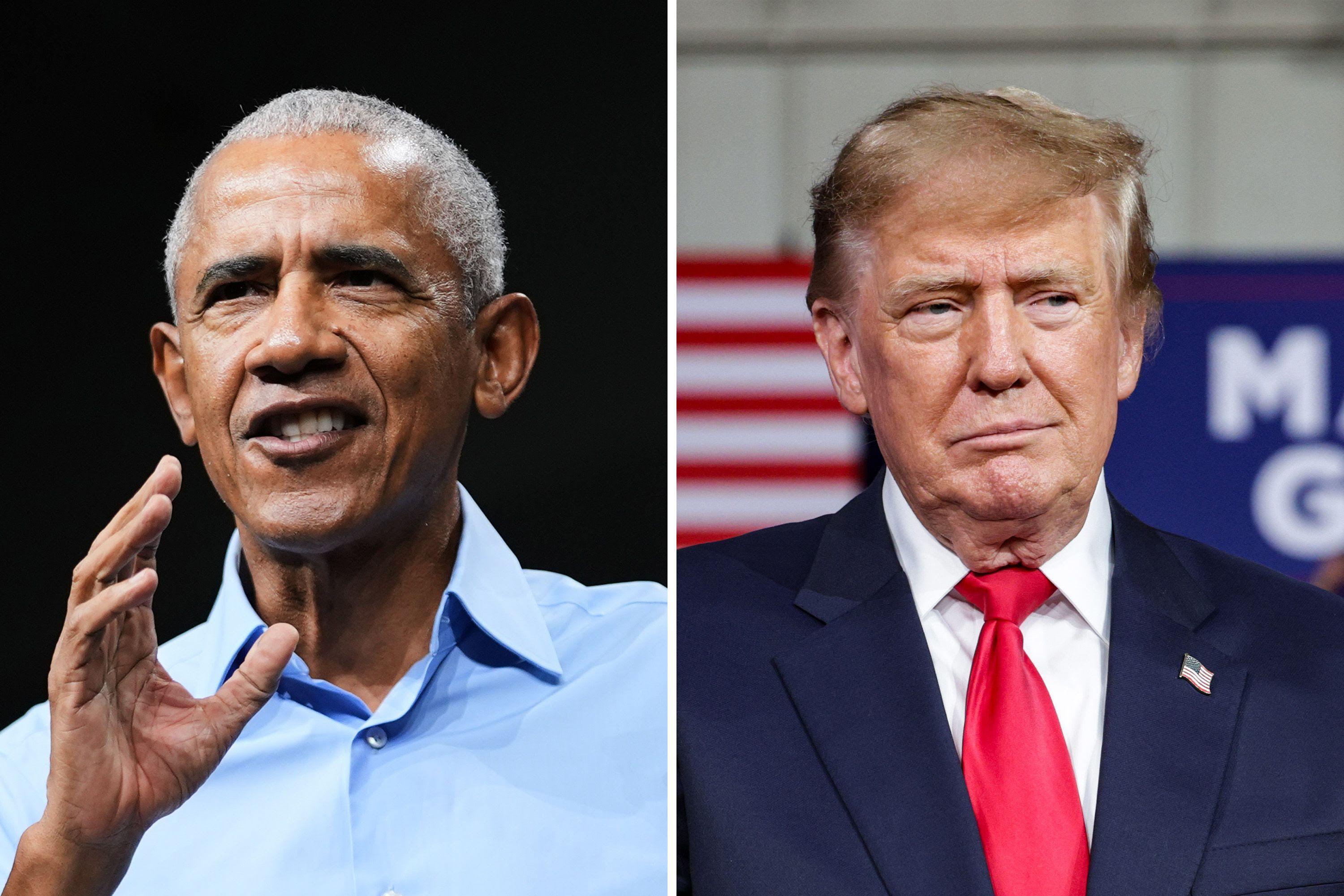
On Saturday, former President Barack Obama appeared at a Democratic campaign rally in Detroit alongside El-Sayed and Michigan gubernatorial candidate Jocelyn Benson. Obama urged voters to support the Democratic candidates and criticised the Trump administration, presenting the election as an opportunity to strengthen political accountability and protect access to healthcare.
The back-to-back appearances highlighted the importance both parties attach to Michigan, where the Senate contest could influence the balance of power in Washington.
Meanwhile, the election battle has expanded into the courts, where a federal appeals court panel has questioned the Trump administration’s attempt to require California election officials to set aside approximately 20,000 mail-in ballots associated with people the federal government suspects may be noncitizens.
The Justice Department filed a lawsuit against California on 15 October, alleging that state officials had failed to investigate flagged voter registrations within the timeframe demanded by the federal government. It is seeking to prevent the affected ballots from being counted until the voters’ citizenship status can be verified.
During an emergency hearing on Sunday, 25 October, judges on the Ninth Circuit Court of Appeals questioned whether the federal government had the legal authority to intervene in the state’s vote-counting process and whether the case had been brought through the proper legal procedures.
California officials have challenged the reliability of the federal government’s list, arguing that it could include eligible American citizens and that setting aside the ballots could interfere with voters’ rights.
The Justice Department maintains that its action is intended to ensure that only eligible citizens vote in federal elections. However, the allegations concerning the flagged registrations have not established that all, or even a particular number, of the affected individuals actually voted unlawfully.
The appeals court did not issue a final ruling during Sunday’s hearing, leaving the dispute unresolved as election activity continues.
The legal challenge comes amid a broader national debate over election security, voting rights and the division of authority between federal and state governments.
As the 3 November election approaches, the Michigan campaign and California court dispute illustrate the competing pressures shaping the midterms: a high-stakes struggle for congressional control, increasingly forceful political campaigning and legal challenges over how votes should be verified and counted.
The outcomes of the Senate contests and the California litigation could have consequences beyond the immediate election, influencing the balance of power in Congress and the rules governing future federal elections.
Khalil Ibrahim Yaro
Experienced journalist, Editor in Chief and media professional with a strong background in field reporting, investigative journalism, Editorial production, interviewing, research, digital media and newsroom coordination.
More from Khalil Ibrahim Yaro