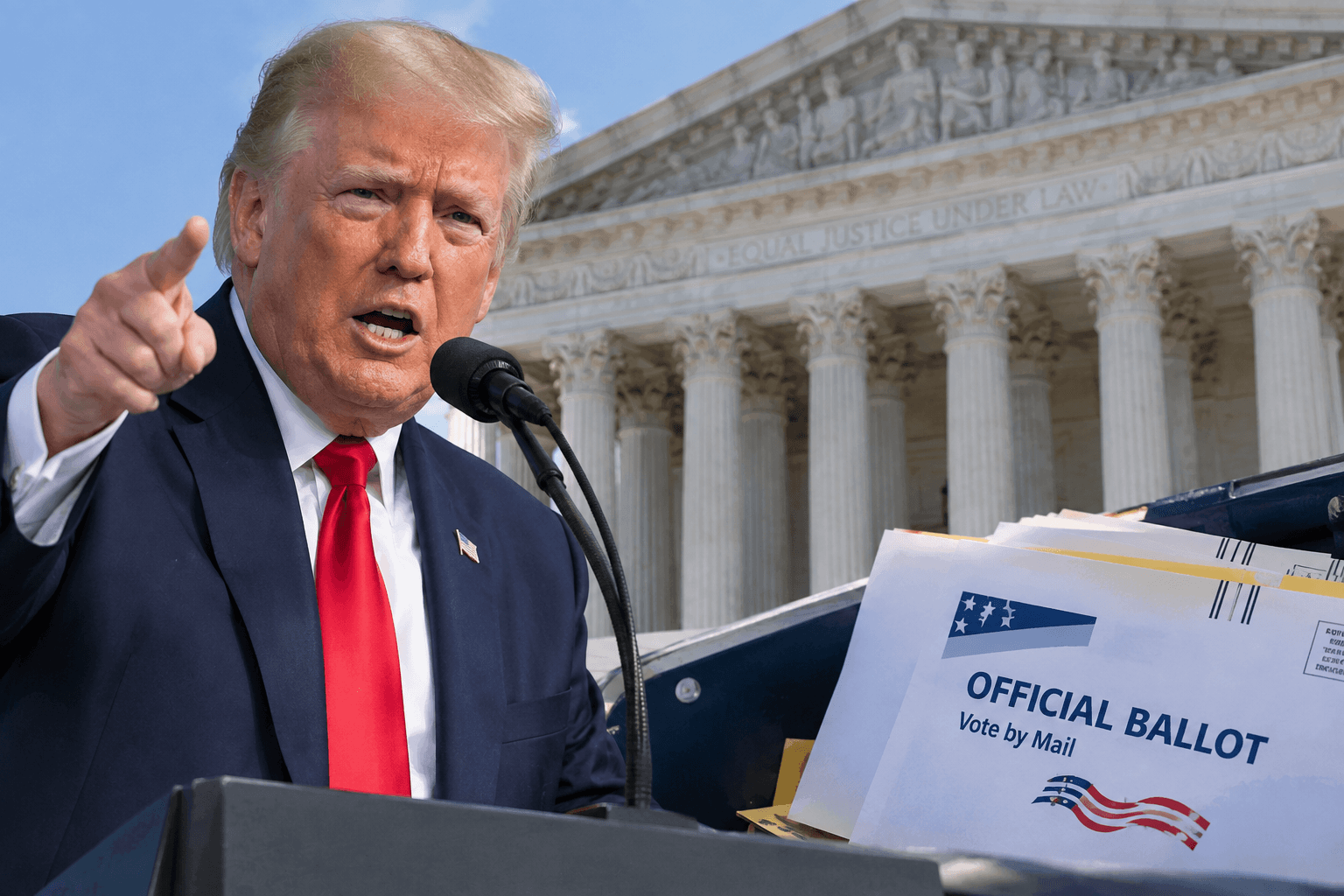
The Supreme Court’s September 14 decision kept in place a lower-court order blocking a new U.S. Postal Service rule that would have introduced additional requirements for the processing and delivery of mail ballots. The administration had sought to have the restrictions take effect before the midterm elections.

Chat Gpt
The disputed rules were developed after an executive order issued by Trump in March directed the Postal Service to establish new requirements for election mail. The final USPS rule, issued in August, included new standards for ballot envelopes and procedures involving voter information and ballot verification. States challenging the rule argued that there was insufficient time to implement the changes before the November election.
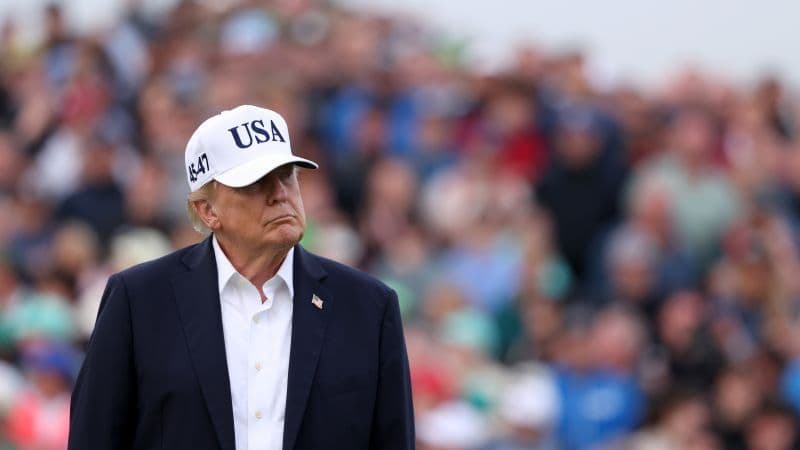
Following the Supreme Court decision, Trump publicly attacked the justices, including three judges he appointed during his first presidential term — Neil Gorsuch, Brett Kavanaugh and Amy Coney Barrett. Trump said they were “not the people I interviewed” when he considered them for the Supreme Court and described them as a “shell” of their former selves.
Trump also criticized the broader ruling and accused the court of making decisions that he said were harmful to the United States. However, those statements represent Trump’s political assessment of the ruling rather than findings made by the Supreme Court.
The court’s decision did not establish that all proposed changes to mail voting are permanently unlawful. Rather, it prevented the administration’s disputed USPS restrictions from taking effect for the 2026 midterm elections. Justices Samuel Alito and Clarence Thomas dissented, while the administration said it would comply with the ruling.
The ruling means that the challenged USPS restrictions will not be implemented for this year’
s midterm elections, while broader legal questions surrounding federal authority over mail voting may continue to be litigated.