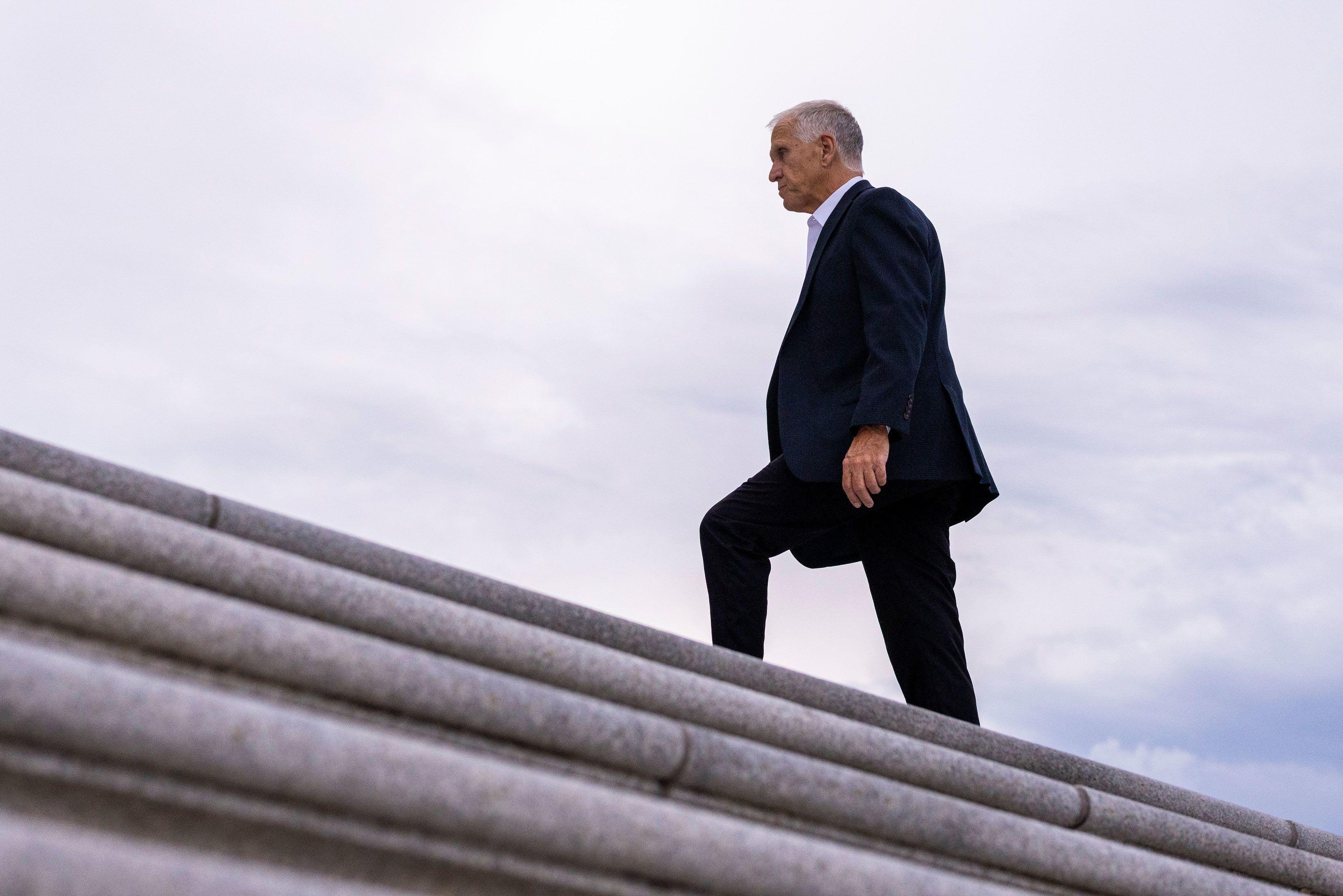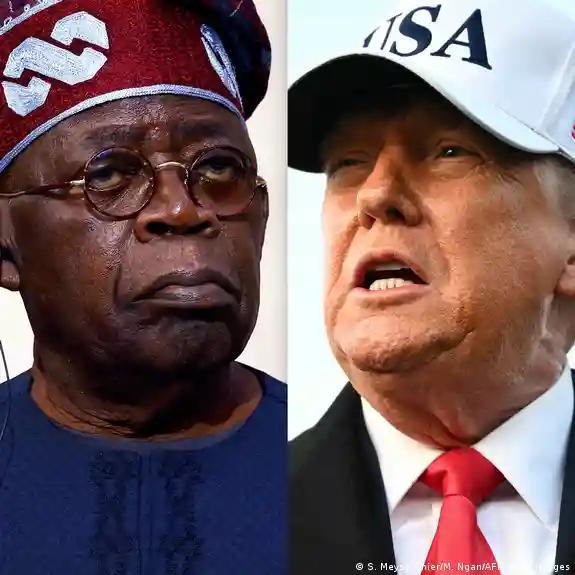
Trump made the announcement on Saturday, September 26, 2026, while speaking to reporters outside the White House before departing for Tennessee.
He said Iran’s proposal was not acceptable, although he indicated that he remained open to reaching an agreement with Tehran.
The proposal was presented by Iranian Foreign Minister Abbas Araghchi during the United Nations General Assembly in New York.
Araghchi said Iran had submitted a concrete seven-day plan through Qatar, which has been acting as a mediator between the two sides.
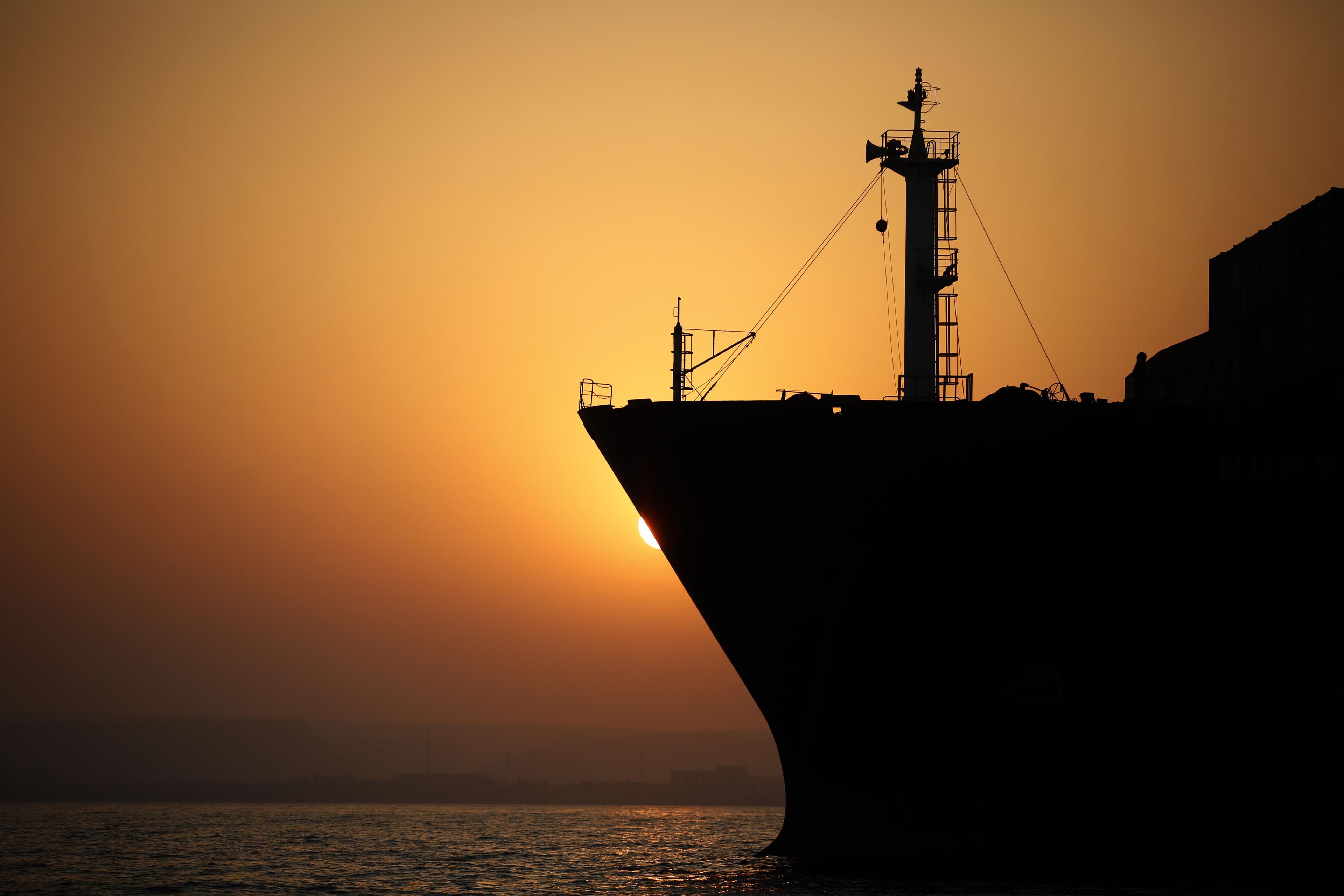
Under the proposal, Iran would reopen the strategically important Strait of Hormuz and restore normal maritime traffic within seven days if certain conditions were met.
Those conditions included the lifting of the US naval blockade on Iranian ports, the easing of sanctions on Iranian oil sales and a ceasefire covering the wider region, including Lebanon. Iran also called for the release of frozen Iranian assets.
The Strait of Hormuz is one of the world's most important energy shipping routes, with a significant share of global oil supplies normally passing through the waterway.
Restrictions on shipping through the strait have disrupted energy markets and contributed to higher oil and fuel prices.
The latest diplomatic proposal came after indirect discussions between US and Iranian representatives through mediators earlier in the week.
However, Trump’s rejection means there is currently no agreement to reopen the waterway under Iran’s proposed seven-day framework.
Iranian President Masoud Pezeshkian has meanwhile said Tehran remains open to negotiations, but he also accused Washington of creating the conditions that led to the closure of the waterway.
The rejection leaves the Strait of Hormuz and the wider US-Iran conflict at the centre of renewed diplomatic efforts, with no confirmed agreement yet on a ceasefire or the restoration of normal commercial shipping through the strategic waterway.
Khalil Ibrahim Yaro
Experienced journalist, Editor in Chief and media professional with a strong background in field reporting, investigative journalism, Editorial production, interviewing, research, digital media and newsroom coordination.
More from Khalil Ibrahim Yaro