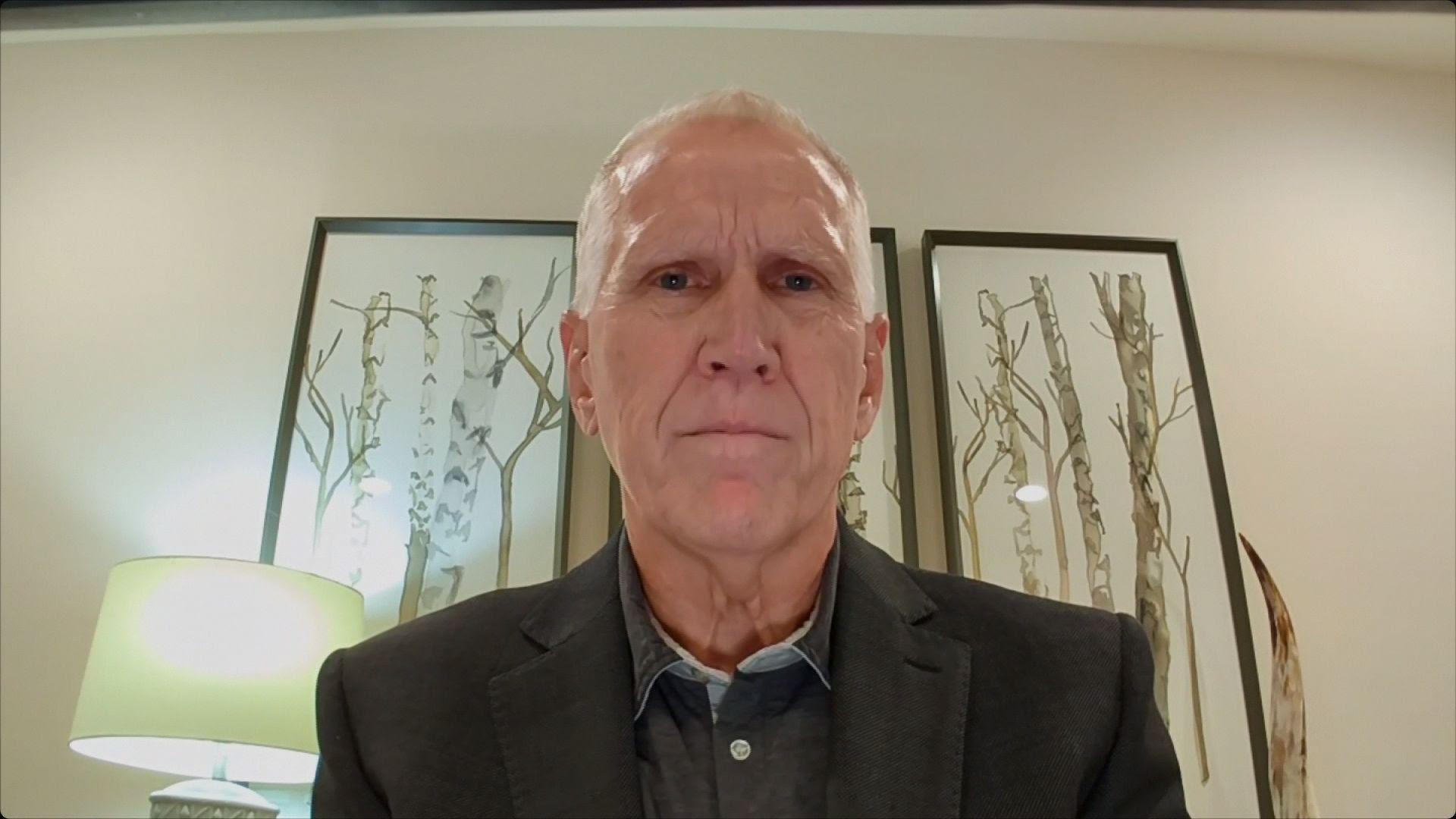
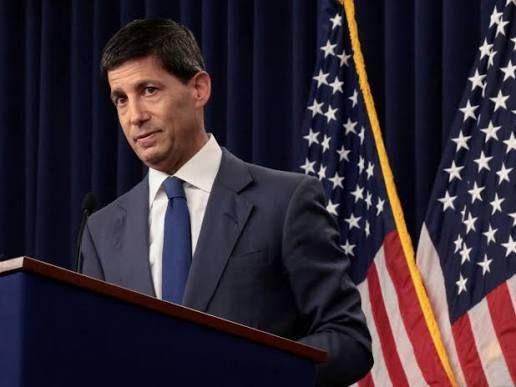
Cleveland Federal Reserve President Beth Hammack said on 12 October that monetary policy may need to become more restrictive to address inflation pressures that are spreading beyond energy prices. She warned that businesses are increasingly adjusting their prices in response to rising costs.
The Federal Reserve raised its benchmark interest rate by a quarter of a percentage point in September, bringing the target range to between 3.75 and 4 per cent. The central bank said inflation remained above its two-per-cent target.
Higher interest rates can make mortgages, car loans, credit cards and business borrowing more expensive. They are intended to reduce demand and ease price pressures, although the effects can take time to reach the wider economy.
The policy presents a difficult balance for American households. While tighter monetary conditions could help slow inflation, they may also increase borrowing costs and put pressure on household budgets in the short term.
However, further rate increases are not guaranteed. Federal Reserve officials are weighing economic data and the outlook for inflation before their next policy meeting, scheduled for 27 and 28 October.

Khadija Ishaq Yusuf
A passionate reporter with an interest in covering stories that affect communities and society. She is committed to gathering accurate information, conducting interviews, and reporting news in a clear, balanced, and responsible manner.
More from Khadija Ishaq Yusuf