
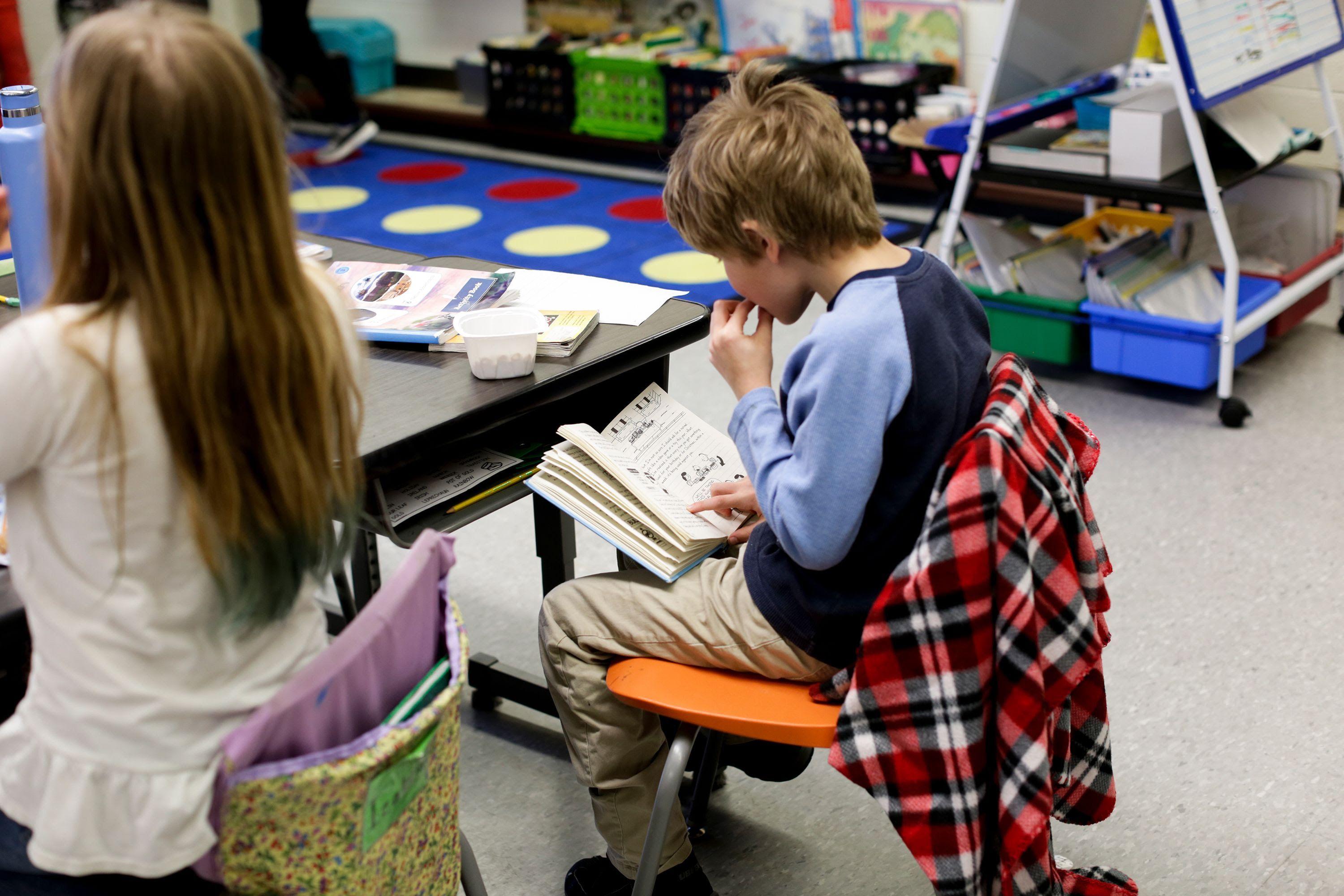
The campaign comes several years after the COVID-19 pandemic accelerated the adoption of digital learning, making laptops, tablets and online educational platforms a routine part of classroom instruction across the country.
When schools closed during the pandemic, many districts introduced or expanded one-to-one device programmes, providing students with laptops or tablets to attend virtual lessons, complete assignments and communicate with teachers. Although these tools helped maintain access to education during lockdowns, their widespread use has prompted fresh debate over their long-term impact on children’s learning and well-being.
Parents concerned about excessive screen exposure say students can spend much of the school day looking at devices, sometimes with limited opportunities for face-to-face discussion, handwriting exercises, physical activity and traditional reading.
Cyberbullying is another major concern. Digital platforms used for schoolwork can also provide opportunities for students to send abusive messages, share embarrassing material or harass classmates beyond the classroom. Parents say schools need stronger safeguards and clearer rules governing students’ online behaviour.
Some families are also worried that school-issued devices may expose children to inappropriate websites, sexual content or other material that is unsuitable for their age. They are urging school districts to strengthen content filters, improve monitoring and provide parents with greater transparency about the applications and websites students can access.
The rapid development of artificial intelligence has added another challenge. Students can now use AI-powered tools to generate essays, answer questions and complete assignments in seconds. While educators acknowledge that such technology can support learning when used appropriately, parents and teachers are concerned that some pupils may rely on it to avoid developing essential writing, research and critical-thinking skills.
Supporters of reducing screen time argue that schools should return to a more balanced approach, combining digital resources with printed textbooks, classroom discussions, practical exercises and direct interaction between teachers and students.
Some parents have also called for limits on when students can use school devices, particularly during lessons that do not require a computer, and for clearer policies governing personal mobile phones and social media.
However, educators and technology advocates caution against abandoning digital learning altogether. They argue that computers provide access to educational resources, support students with disabilities, help teachers tailor instruction to individual needs and prepare young people for a technology-dependent workplace.
Digital platforms can also make it easier for students to collaborate, receive feedback and access learning materials outside normal school hours. For some pupils, assistive technologies are essential to participating fully in education.
The debate has therefore shifted from whether schools should use technology to how it should be used responsibly. Education experts increasingly emphasise the importance of age-appropriate screen limits, effective online safety measures, teacher training and clear rules on the use of AI in academic work.
As school districts review their digital policies, they face the challenge of preserving the educational benefits of technology while addressing concerns about student safety, concentration and academic integrity.
The outcome could influence how American schools structure lessons in the years ahead, with parents calling for greater accountability and a more deliberate balance between digital learning and traditional classroom teaching.

Khalil Ibrahim Yaro
Experienced journalist, Editor in Chief and media professional with a strong background in field reporting, investigative journalism, Editorial production, interviewing, research, digital media and newsroom coordination.
More from Khalil Ibrahim Yaro