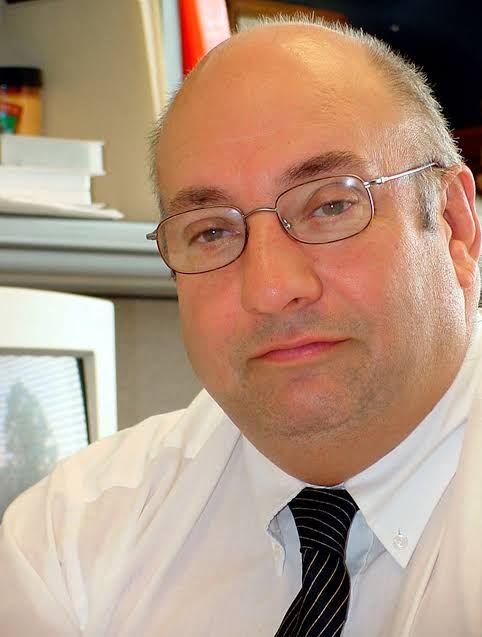
But after helping carry out the executions of eight convicted murderers, the former Florida State Prison warden says the experience continued to haunt him long after he left the prison service.
McAndrew became warden of Florida State Prison in 1996, when the facility was responsible for carrying out Florida’s executions. He supervised three executions using the electric chair and later travelled to Texas, where he observed or assisted with lethal-injection executions.
McAndrew has described how the work gradually affected him.
He said that during the nights, he would sometimes wake up and imagine the men whose executions he had overseen sitting at the foot of his bed and looking at him.
The visions became a symbol of the guilt and distress he associated with his work.
One of the most traumatic incidents came in March 1997, when Florida executed Pedro Medina in the electric chair.
McAndrew recalled that Medina maintained his innocence before the execution. During the procedure, a malfunction caused flames to erupt from Medina’s head, creating a scene that McAndrew later described as deeply disturbing.
Historical accounts confirm that Medina’s execution went seriously wrong and that McAndrew remained troubled by what happened. He later said that giving the order to continue with the execution was one of his greatest regrets.
The experience contributed to a major change in McAndrew’s views on capital punishment.
Although he had previously supported the death penalty, he eventually became an outspoken opponent of executions. He has since travelled across the United States speaking against capital punishment and has provided assistance to prisoners facing execution and legal appeals.
McAndrew has also spoken publicly about the effect executions can have on prison employees.
In testimony reported by the Death Penalty Information Center, he said some colleagues turned to drugs and alcohol after participating in executions, while he himself struggled with the memories of the men he had been ordered to execute.
Today, McAndrew says he regrets his involvement in carrying out the death penalty and has devoted much of his later life to speaking about its consequences.
His story has become an example of the long-term emotional burden that former execution staff say they can experience after participating in capital punishment.
Nearly three decades after his time overseeing executions, McAndrew continues to speak publicly about what he witnessed, arguing from his personal experience that the consequences of executions do not necessarily end when the execution chamber is closed.