Nigeria’s National Assembly Suspends Legislative Engagements With South Africa Over Xenophobic Attacks
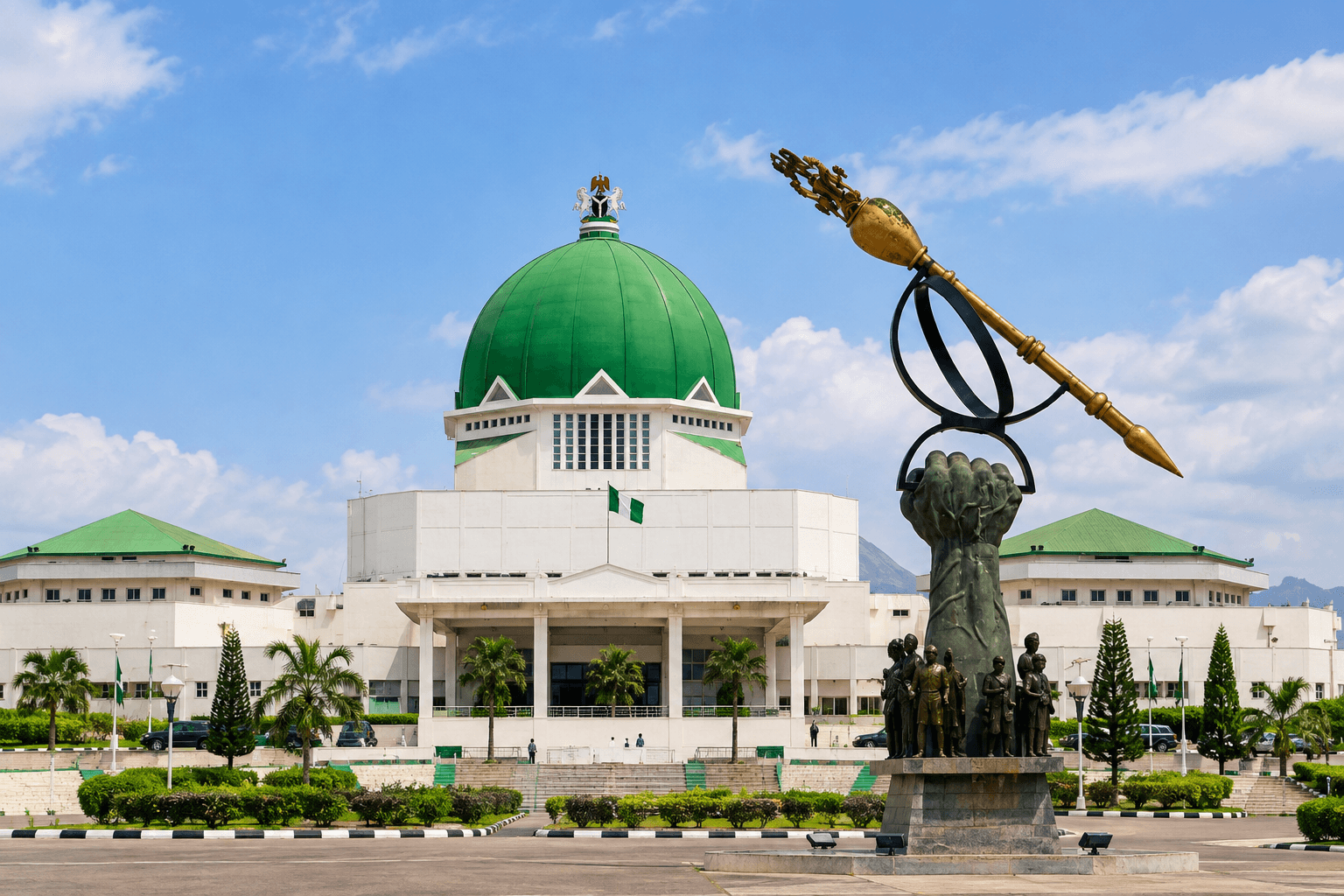
Nigeria’s National Assembly has suspended all official visits to South Africa and directed lawmakers, committees, officials and staff to boycott legislative activities organised or hosted by South African legislative authorities, citing continuing reports of xenophobic attacks and violence against Nigerians and other African nationals.
The decision followed consultations between the leadership of the Senate and the House of Representatives and was communicated by the Clerk to the National Assembly, Kamoru Ogunlana.
Under the directive, Nigerian lawmakers and National Assembly officials will no longer participate in South African-hosted or South African-organised conferences, seminars, workshops, parliamentary meetings, legislative exchanges and other official engagements until further notice.
The suspension also covers virtual and online participation in programmes organised or hosted by South African legislative institutions.
The National Assembly said the decision was taken against the backdrop of continuing reports of violence, intimidation, destruction of property and other forms of hostility targeting Nigerians and other African nationals living in South Africa.
In its communication, the parliamentary leadership expressed particular concern over reports that Nigerians had been killed, injured or displaced and, in some cases, forced to abandon their homes, businesses, investments and other property.
ChatGPT
The National Assembly said it remained concerned that previous appeals by the Nigerian government and other stakeholders for South African authorities to protect Nigerians and other foreign nationals had not stopped further reports of attacks.
The decision represents a significant escalation in Nigeria’s parliamentary response to the treatment of its citizens in South Africa.
However, the National Assembly made clear that the measure does not amount to a suspension of diplomatic relations between Nigeria and South Africa.
Instead, lawmakers described the boycott as a strong expression of concern over the safety, dignity and welfare of Nigerians who live and conduct legitimate businesses in South Africa.
The parliamentary leadership has called on the South African government to take urgent and concrete steps to protect Nigerians and other African nationals, prevent further xenophobic attacks, investigate reported incidents and ensure that anyone found responsible is prosecuted in accordance with the law.
The National Assembly has also urged the leadership of State Houses of Assembly across Nigeria to take note of the decision and consider adopting similar measures.
The claim that official campaigns for the 2027 governorship and State Houses of Assembly elections begin today, September 8, 2026, is not supported by INEC’s official timetable. INEC’s current schedule confirms that the governorship and State Assembly elections are scheduled for February 6, 2027, while its timetable provides specific dates for the commencement and conclusion of campaigns.
Sep 9, 2026 · 1 min read
The latest parliamentary action comes amid renewed anti-migrant tensions in South Africa.
For years, foreign nationals, including Nigerians and other Africans, have faced hostility from some groups that accuse migrants of contributing to unemployment, crime and pressure on public services.
South African authorities have repeatedly faced pressure to address xenophobia and protect foreign nationals, while Nigerian officials have continued to raise concerns about the safety of Nigerians living and doing business in the country.
The latest tensions have also prompted direct action by the Nigerian government.
Nigeria has facilitated the voluntary evacuation of citizens from South Africa as concerns about anti-foreigner violence increased.
According to Nigerian officials, 98 Nigerians have been killed in mob, hate-related and other violent incidents in South Africa since 2022.
The figure was cited by Nigeria’s Minister of State for Foreign Affairs, Sola Enikanolaiye, in July.
More recently, two Nigerian nationals were reported killed in separate incidents in South Africa in September.
Nigeria’s Foreign Ministry confirmed the deaths of James Uchechukwu Nwankwo and Bishop Taiwo Michael Fakunle.
Nwankwo died after an incident involving South African police in Cape Town, while Fakunle was killed at his home in Johannesburg.
The circumstances surrounding the two deaths are different and remain subject to investigation, meaning the individual incidents should not automatically be classified as xenophobic attacks without established evidence.
However, Nigeria’s Foreign Ministry has expressed concern about the safety of Nigerians and other foreign nationals in South Africa and called for appropriate investigations.
The deaths have added to existing tensions between the two countries over the treatment of Nigerian citizens.
The parliamentary boycott therefore comes as part of a broader Nigerian response that has included diplomatic engagement, evacuation assistance and calls for stronger action by South African authorities.
Nigeria and South Africa have longstanding political, economic and people-to-people ties.
The two countries are among Africa’s largest economies and maintain extensive relations in areas including trade, investment, education, diplomacy and regional cooperation.
The National Assembly has therefore stressed that its decision is not intended to undermine those longstanding relations.
Rather, lawmakers say the suspension is intended to send a clear message that the safety and dignity of Nigerian citizens must be protected.
The South African government has responded cautiously to the development.
South Africa’s International Relations Minister, Ronald Lamola, described Nigeria’s decision as unfortunate but indicated that, at this stage, it had not affected bilateral relations between the two countries.
That distinction is important because the National Assembly’s directive applies specifically to parliamentary and legislative engagements.
It does not represent a general suspension of diplomatic relations or a decision by Nigeria to sever government-to-government ties with South Africa.
The directive also does not prevent all forms of interaction between Nigerian and South African institutions.
Instead, it specifically targets official visits and legislative programmes organised, hosted or sponsored by South African legislative authorities.
The measure will remain in force until further notice and is subject to review by the leadership of the National Assembly as circumstances change.
The National Assembly has also directed that existing arrangements, invitations and proposed programmes involving official parliamentary visits or legislative engagements in South Africa be reviewed in accordance with the new directive.
The decision puts additional pressure on South African authorities to demonstrate that concrete measures are being taken to protect foreign nationals and hold perpetrators of violence accountable.
For Nigeria, the issue is also about protecting citizens who have established businesses, homes and investments in South Africa and ensuring that legitimate economic and social activities are not threatened by violence or discrimination.
For South Africa, meanwhile, the latest development adds another diplomatic challenge at a time when the country is already facing international scrutiny over recurring anti-migrant tensions.
The two governments now face the difficult task of addressing security concerns affecting Nigerians while maintaining the broader relationship between two of Africa’s most influential countries.
The National Assembly’s action sends a strong parliamentary signal, but its longer-term impact will depend largely on developments on the ground and on whether South African authorities are able to demonstrate effective protection for Nigerians and other African nationals.
For now, Nigerian lawmakers, committees, officials and staff have been instructed to stay away from South African-hosted legislative engagements, both physical and virtual.
The suspension will remain in place until further notice.
The National Assembly says it will continue to monitor developments concerning the safety and welfare of Nigerians in South Africa, while urging South African authorities to protect foreign nationals, investigate reported attacks and prosecute those found responsible.
At the same time, Nigeria has reaffirmed its commitment to maintaining its longstanding relationship with South Africa.
The parliamentary boycott therefore represents a diplomatic and legislative warning rather than a break in relations — with Nigeria demanding stronger action to protect its citizens while leaving the door open for continued broader engagement between the two countries.
Most Nigerians may not know this yet: you don’t have to be a millionaire to become a part-owner of Dangote Refinery. Aliko Dangote has disclosed that Nigerians can participate in the refinery’s share offer with a minimum investment of just ₦5,250.