The case involves the Federal Communications Commission’s “lowest unit charge” rules, which require broadcasters to offer qualifying political candidates their lowest advertising rates during the period leading up to an election. In March, the FCC’s Media Bureau issued guidance extending those rates to certain advertisements purchased by political parties in coordination with candidates.
The National Republican Congressional Committee and National Republican Senatorial Committee challenged the lower-court ruling after the U.S. Court of Appeals for the Fourth Circuit sided with Democratic candidates who argued that the discounted rates should apply only to candidates, not political parties.
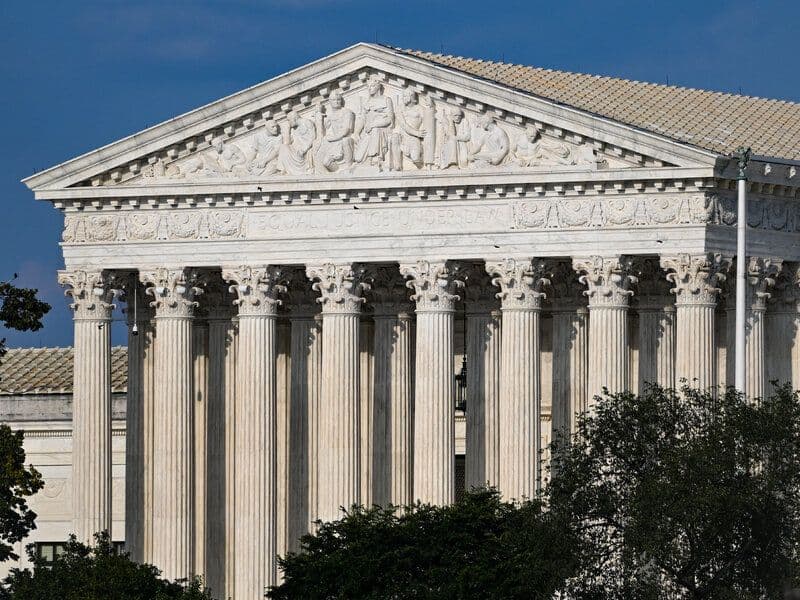
In an unsigned emergency order issued Friday, the Supreme Court halted the appeals court's decision, allowing the Republican committees to continue seeking the lower advertising rates while the broader legal dispute proceeds. The justices said the lower court had acted too soon and noted that requiring the Republican committees to pay higher rates could harm their ability to reach voters during the critical weeks before the election.
Justice Ketanji Brown Jackson was the only justice to publicly dissent. She argued that the Supreme Court did not need to intervene at this stage of the case.
The ruling could give Republicans a significant financial advantage in the November midterm elections because political parties can now potentially stretch their advertising budgets further when purchasing broadcast airtime in coordination with candidates. The decision follows a separate Supreme Court ruling in June that removed limits on coordinated spending between political parties and candidates.
The Supreme Court's latest action does not represent a final resolution of the underlying legal dispute. Instead, it temporarily allows the discounted-rate policy to remain in effect as the broader challenge continues.