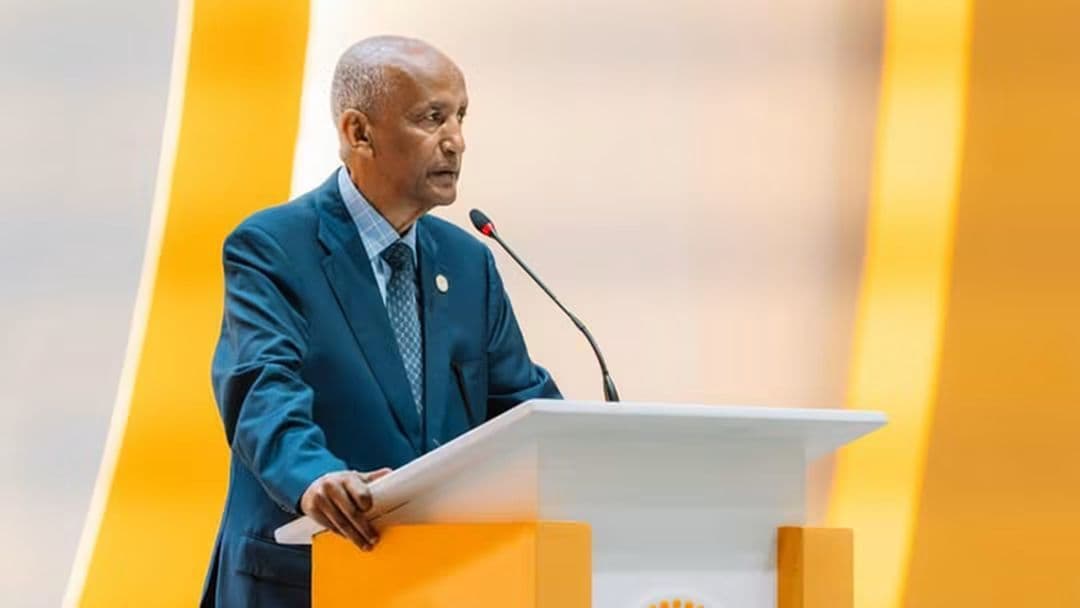
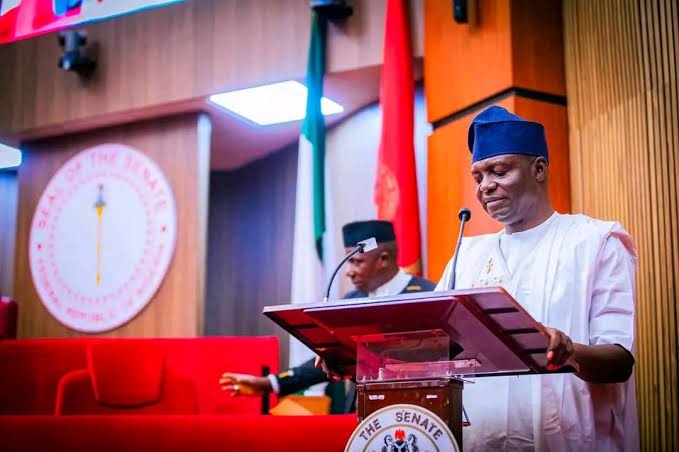
Tinubu said the removal of fuel subsidies, reforms to the foreign exchange market, improved revenue collection and increased investment in critical infrastructure have started to transform the Nigerian economy. He made the remarks through the National Chairman of the All Progressives Congress, Nentawe Yilwatda, at a government achievements exhibition in Abuja.

1
According to the President, Nigeria’s foreign exchange reserves have risen to about $52.7 billion, while the country’s GDP grew by 4.43 per cent in the first quarter of 2026. He also said inflation had declined to about 15.4 per cent.
However, Tinubu acknowledged that significant challenges remain, stressing that the ultimate success of the reforms would be measured by lower food prices, more jobs, easier access to credit and improved electricity supply for Nigerians.
He added that the $1 trillion economic plan includes the development of five major seaports, roads and railway networks, with the aim of positioning Nigeria as a major trade and transportation hub in West and Central Africa.