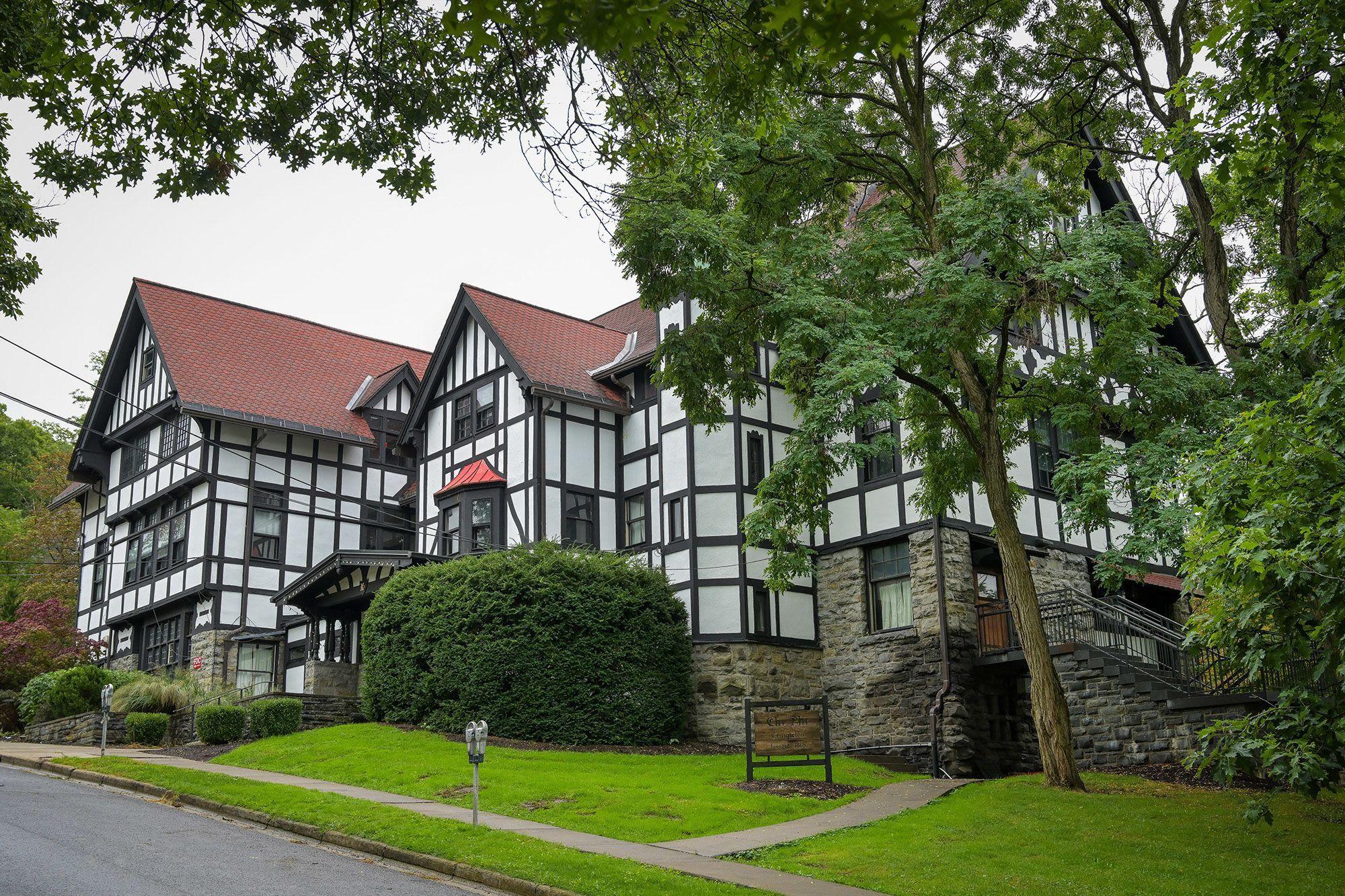
The woman, identified in court documents as Jane Doe, filed the lawsuit on September 16, 2026, alleging that she was drugged and sexually assaulted by seven members of the Chi Phi fraternity at its house on the Cornell University campus in Ithaca, New York.
The alleged incident took place on October 19, 2024, when the woman was 20 years old.
According to the civil complaint, Jane Doe had been drinking before going to the fraternity house and alleges that members of the fraternity pressured her to take drugs, including ketamine. She alleges that she subsequently became incapacitated and that several men sexually assaulted her over a number of hours.
The lawsuit also refers to messages in a Chi Phi group chat, which the woman says showed members discussing her presence at the fraternity house.
The allegations have not been proven in court.
The Tompkins County District Attorney, Matthew Van Houten, announced on September 28 that his office would reopen the criminal investigation and present evidence to a grand jury to determine whether criminal charges should be pursued.
Van Houten said the decision to reconsider the case followed renewed attention generated by the civil lawsuit and the emergence of information that prosecutors said warranted further examination.
The district attorney has also explained why criminal charges were not brought in 2024.
According to Van Houten, the statement Jane Doe gave to Cornell University Police in November 2024 differed significantly from the allegations contained in the new civil lawsuit. He said the earlier statement did not allege that she had been drugged without her knowledge or that she was unable to consent to sexual activity.
Jane Doe's attorney disputes that characterisation of her original report and has criticised the handling of the investigation. The lawyer says investigators did not adequately follow up with the woman after she reported the incident.
The district attorney has acknowledged that his office relied on the investigation conducted by Cornell Police and did not independently investigate the allegations at the time. He has now said prosecutors will reassess the available evidence.
One issue under renewed examination is a Snapchat group chat referenced in the civil complaint. Van Houten said his office had not previously received the messages, while Jane Doe's attorney maintains that the material had been provided to authorities in 2024.
Cornell University has said it supports the reopening of the criminal investigation.
The university also says it conducted its own Title IX investigation, which is separate from a criminal investigation. Cornell says the internal process resulted in disciplinary sanctions, including expulsions and suspensions, against students involved. The university's Chi Phi chapter was also closed and remains barred from campus.
The university has rejected suggestions that those involved received only minimal consequences, saying federal privacy laws prevent it from publicly disclosing detailed information about individual students.
Several of the men named in the civil lawsuit have denied the allegations. Attorneys representing at least one defendant have described the accusations as false and said they intend to contest them in court.
The renewed investigation has prompted wider discussion in the United States about how universities and law-enforcement agencies respond to allegations of sexual assault, particularly when accounts of an incident change or additional evidence emerges.
The next significant step in the criminal case is expected to be consideration by a Tompkins County grand jury. That process will determine whether prosecutors have sufficient evidence to pursue criminal charges.
For now, the allegations remain the subject of an ongoing investigation and civil litigation, and no criminal conviction has been entered against any of the individuals named in the lawsuit.
Khalil Ibrahim Yaro
Experienced journalist, Editor in Chief and media professional with a strong background in field reporting, investigative journalism, Editorial production, interviewing, research, digital media and newsroom coordination.
More from Khalil Ibrahim Yaro